Product successfully added to your shopping cart
There are 0 items in your cart. There is 1 item in your cart.
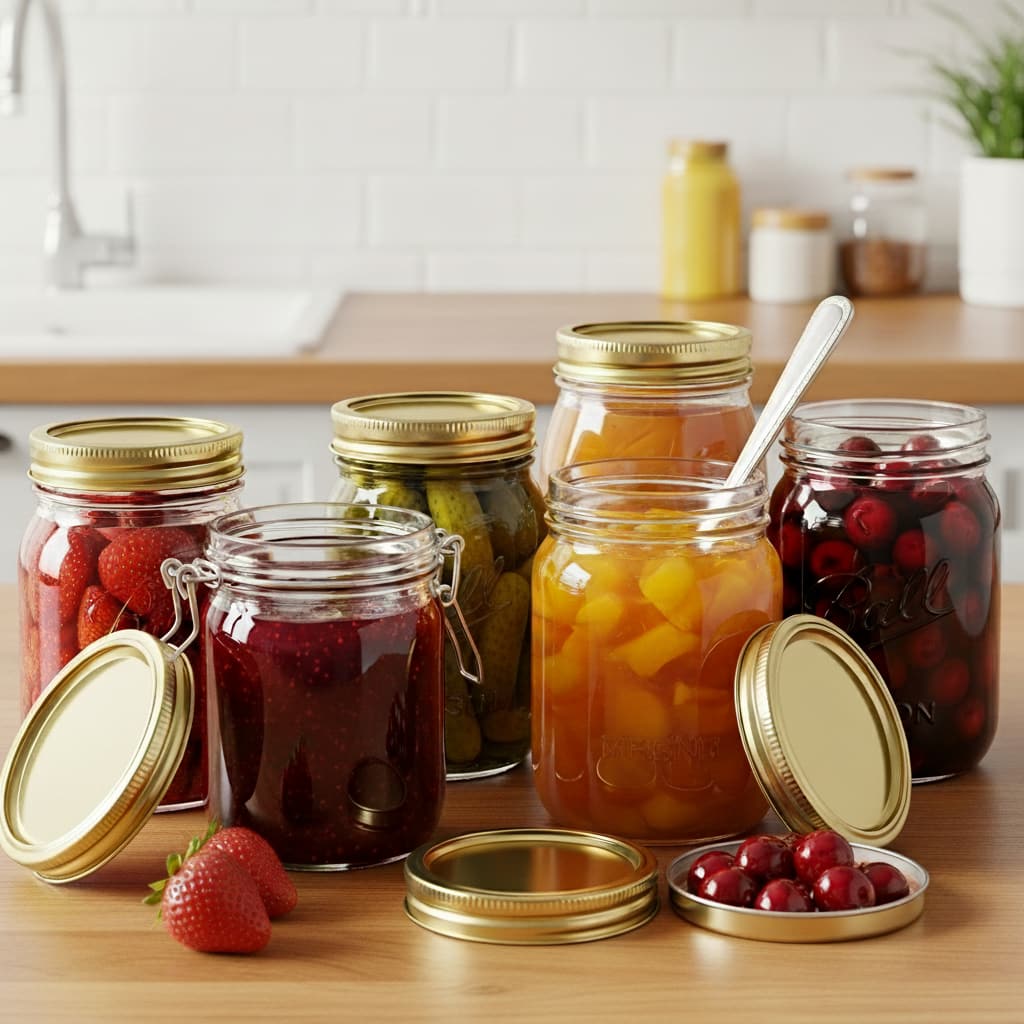
How to pasteurize your glass jars
When entering the world of home preserves, it is essential to ensure food safety and the durability of stored food. One of the most important steps in this process is the pasteurization of glass jars.
Although it may seem like a complex procedure, with the right information, it can be carried out in a simple, safe, and effective way.
In this article, we explain how to pasteurize glass jars, the difference between pasteurization and sterilization, the precautions to take before the process, and the most suitable method for home use.
What is the difference between pasteurization and sterilization of jars?
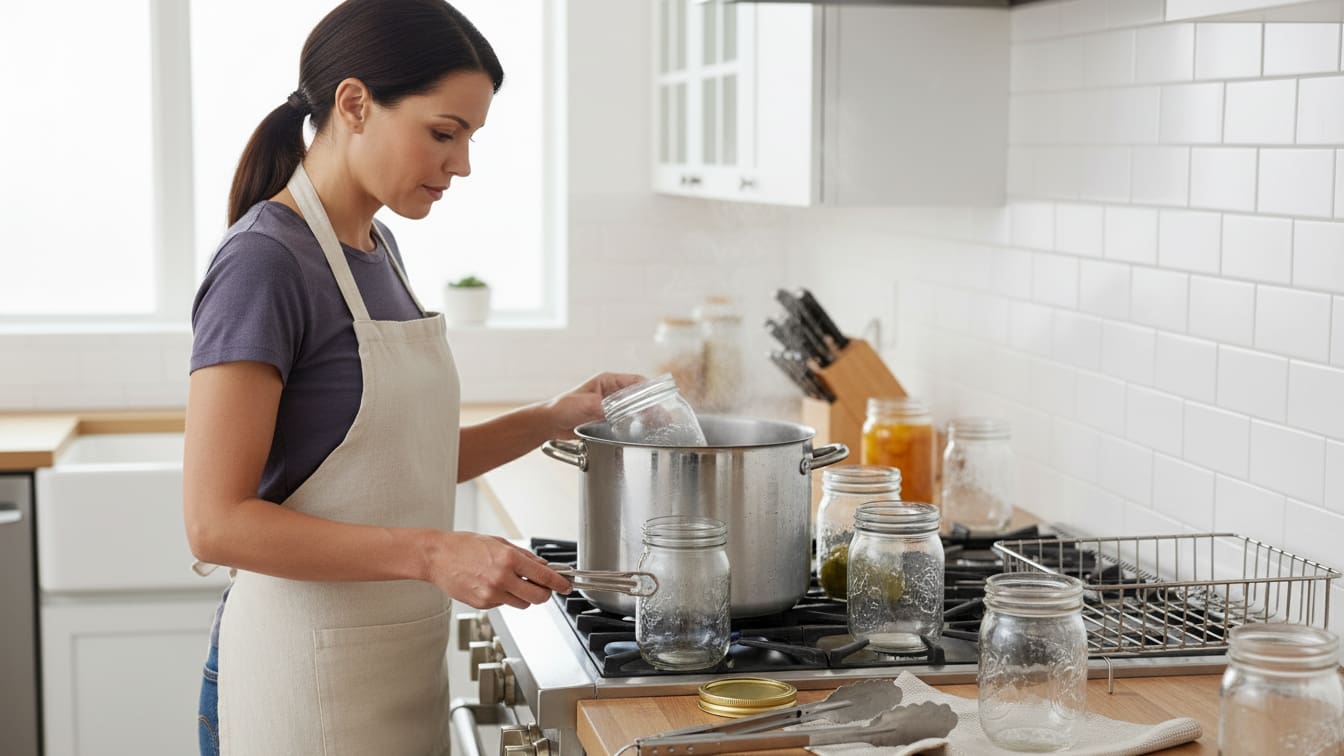
Pasteurization and sterilization are techniques used to extend the shelf life of food, but they differ in the intensity of the heat treatment.
- Pasteurization: consists of heating food to moderate temperatures, typically between 60 °C and 85 °C, for a specific period. This process significantly reduces microorganisms while better maintaining the flavor and characteristics of the food.
- Sterilization: uses temperatures above 100 °C, eliminating virtually all microorganisms. It is a more rigorous method, suitable for long-term preserves.
What precautions should I take before pasteurizing the jars?
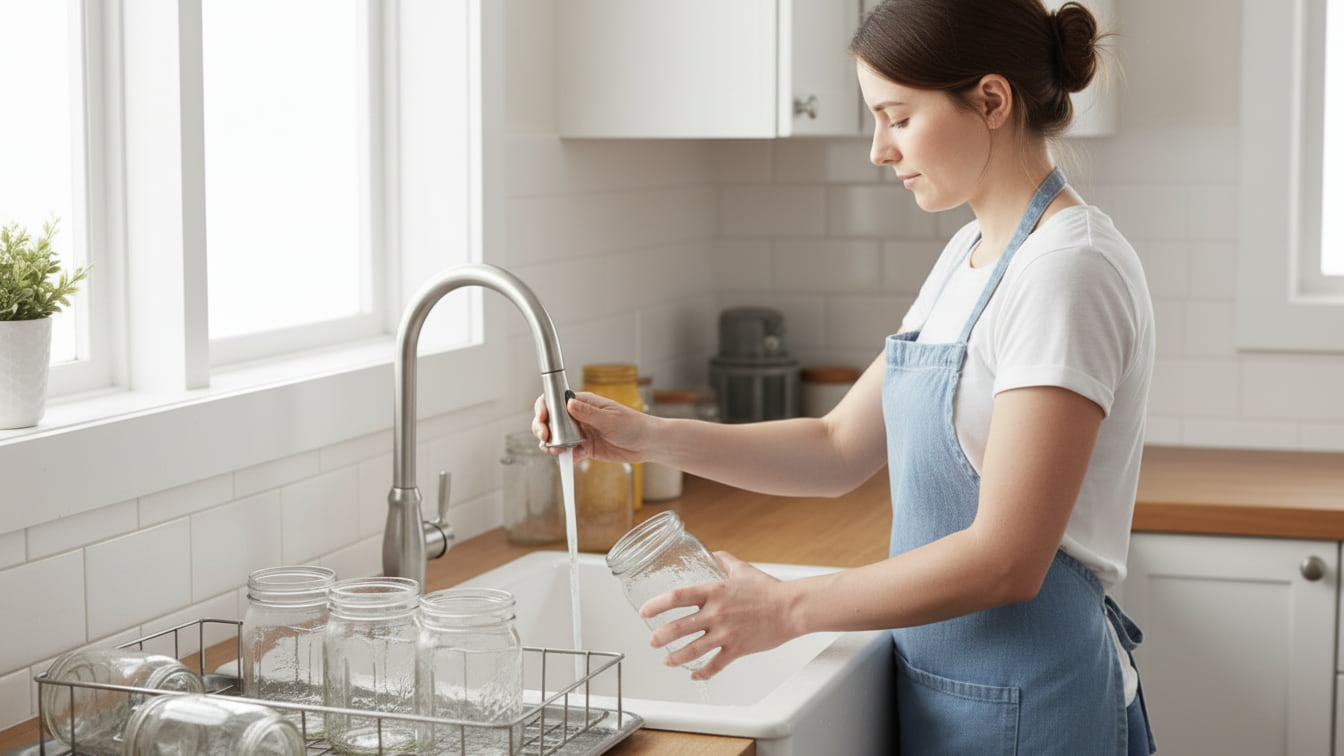
Before starting the process, it is essential to ensure that the jars are clean and in perfect condition:
1- Wash the jars and lids with hot water and detergent;
2- Rinse well and submerge them in boiling water for a few minutes;
3- Avoid touching the inside of the jars after cleaning;
4- Check that the lids and seals show no signs of damage.
These precautions help minimize the risk of contamination.
How to pasteurize glass packaging?

The most simple and commonly used method is the water bath:
1- Place the filled jars in a large pot;
2- Add enough water to cover the jars about 2.5 cm above the food level;
3- Heat gradually until reaching the pasteurization temperature;
4- Maintain this temperature for 10 to 30 minutes, depending on the food;
5- Remove the jars carefully and let them cool down naturally on a flat surface.
Labeling and storing pasteurized preserves
Once cold, check that the lids are tightly sealed. If any jar is not properly sealed, the food should be discarded.
1- Label each jar with the food name and the date of preparation;
2- Store the preserves in a cool, dry, and dark place;
3- Consume the products within the recommended timeframe.
The pasteurization of glass jars is an essential step to ensure safe, durable, and high-quality preserves. By following the correct techniques and respecting the recommendations for each food, you can preserve your products effectively and safely.
Now that you know the process, explore the world of preserves with confidence — and discover on our website the full range of glass jars ideal for your preparations.
