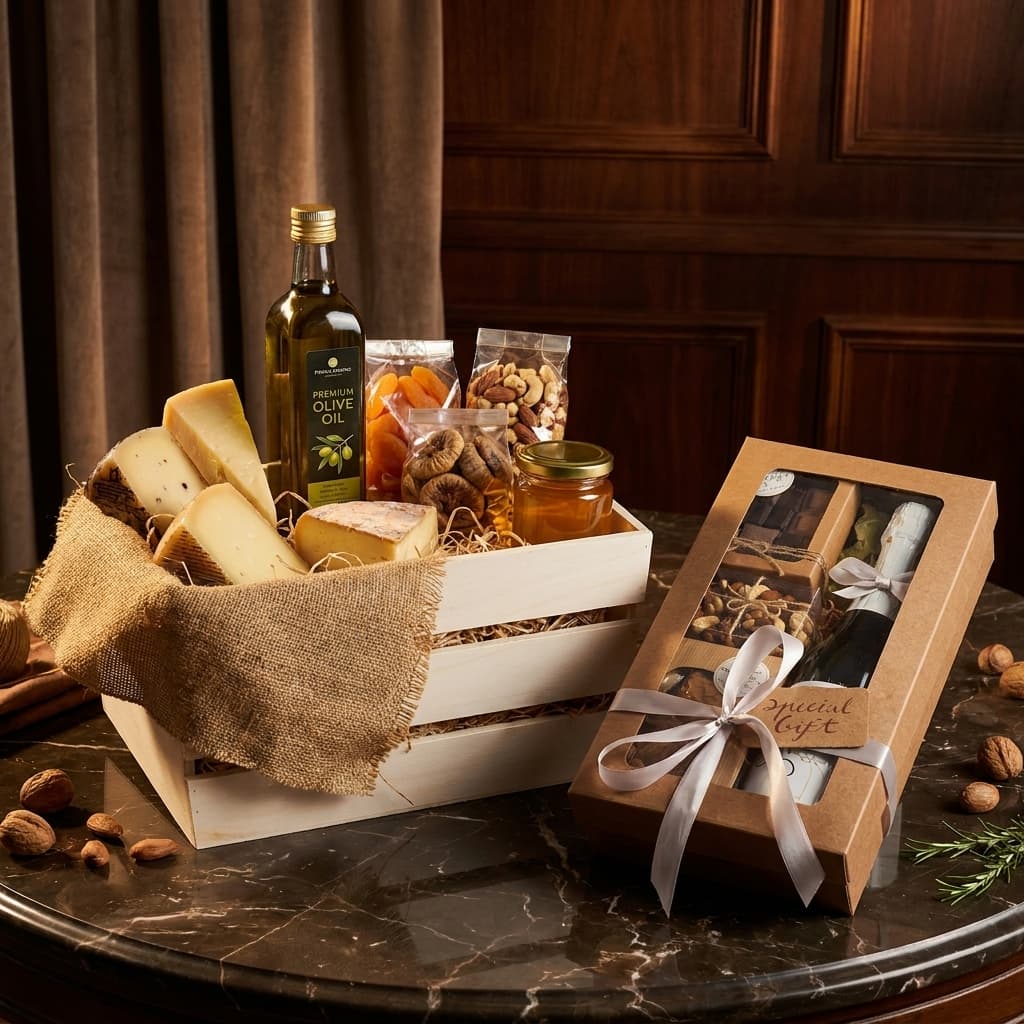
Have you noticed that some people keep the box long after the gift is gone? It is no accident. In a gourmet kit, packaging is no longer the wrapper — it has become half of the experience.
Premium gourmet hampers have become one of the most sought-after ways to create memorable gifts. For corporate gifting, weddings, Christmas or key client offerings, presentation now carries as much weight as the contents.
In this guide we show how good packaging turns a simple gourmet kit into a memorable experience, and why the Silent Luxury trend is redefining gifting across Europe.
When presentation changes everything
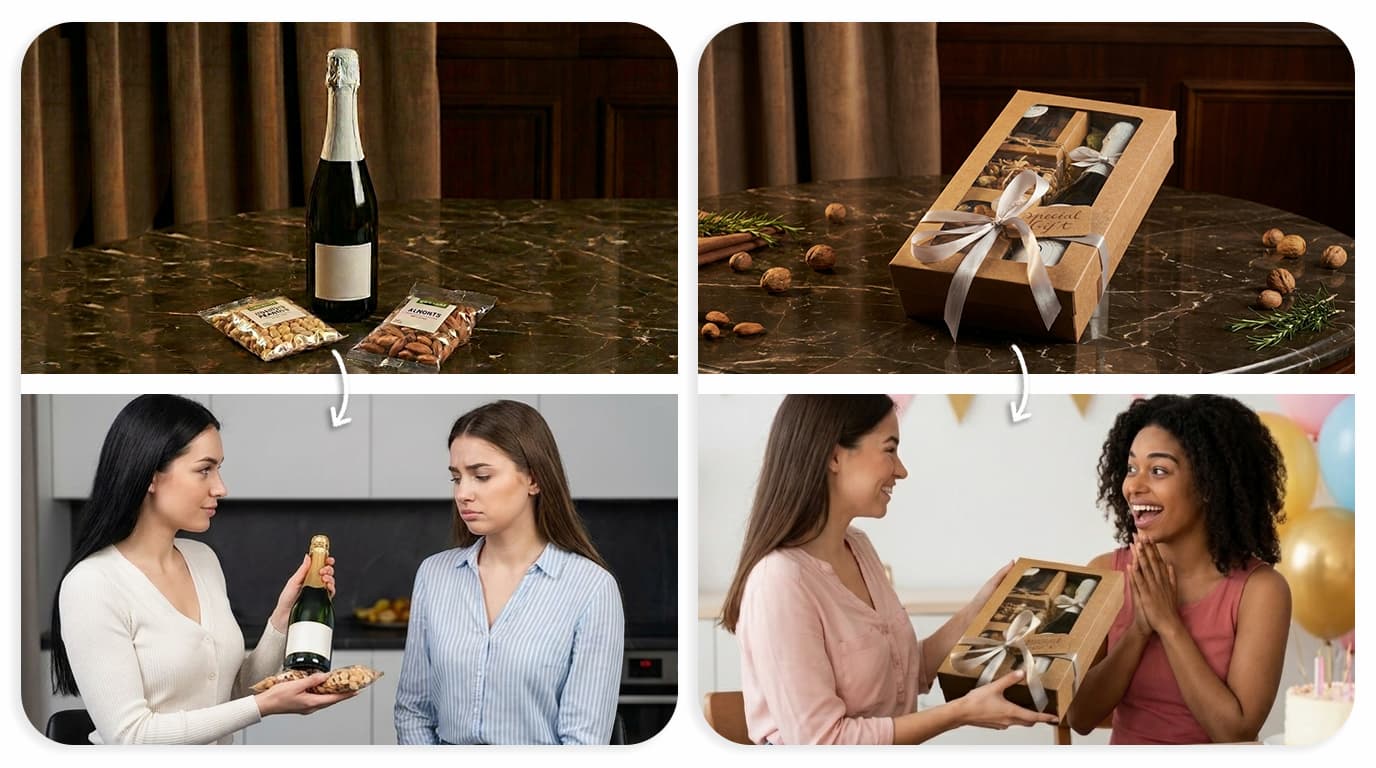
The difference rarely lies in the product — it lies in how it arrives.
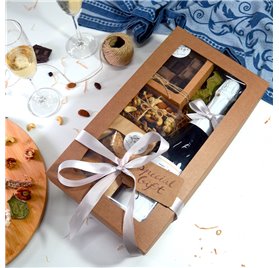
An excellent wine delivered in a supermarket bag will never have the same impact as the same wine inside a premium box with a window, finished with satin ribbon. The product may be identical — the perceived value is not. Our Gourmet L Box with Window creates exactly this effect: transparency reveals part of the contents before opening and visually showcases each product.
When the goal is to convey a more sensory, artisanal feel rather than the instant window effect, the Rebelde Artisan speaks a different language — light wood, visible slats, natural texture. It works for occasions where authenticity matters more than formality.
Gifting tip: window boxes impress at first sight (parties, events, special dates); wooden crates convey artisanal care and last beyond the moment (Christmas hampers, corporate offerings).
Wooden wine boxes: the classic that never fails
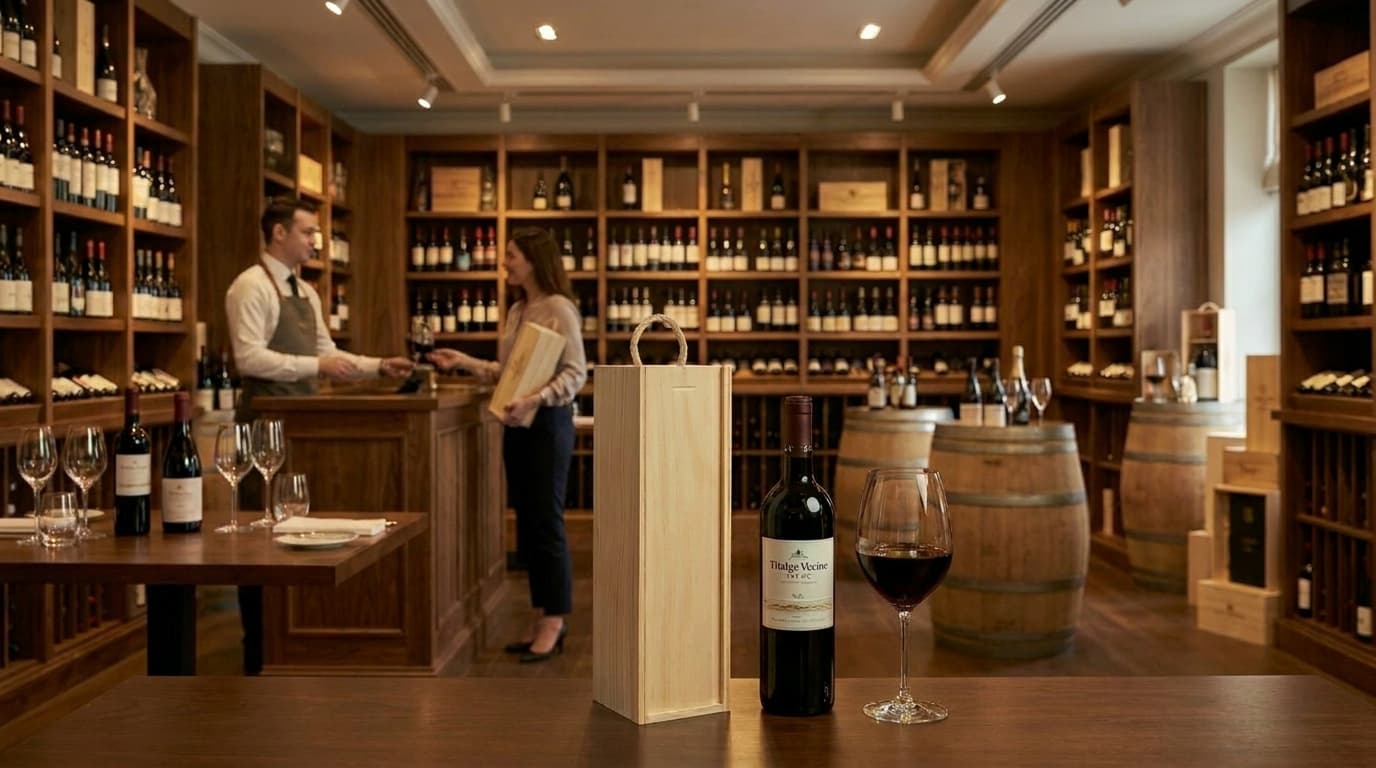
If there's one example where this difference becomes obvious, it's wine. A good bottle in a single wooden box continues to be the kind of gift that works in almost every context — from a year-end client meeting to a dinner with the in-laws.
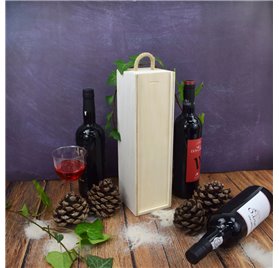
Our Rebelde Wood Wine Box is the most sought-after example. The light wood, natural rope handle and individual structure turn a simple wine bottle into a piece with presence — like a jewel on display.
This is why wooden wine boxes remain strongly associated with year-end corporate gifting, key client offerings, wine experiences and timeless gifts for wine lovers. Predictability is an advantage: almost no one refuses a well-presented bottle.
There's almost a small ritual to opening a well-cut wooden box — the sound of the rope handle, the slide of the lid, the bottle slowly revealed. That half-second pause is what separates a regular gift from one that stays.
Sweet gourmet kits: the new frontier
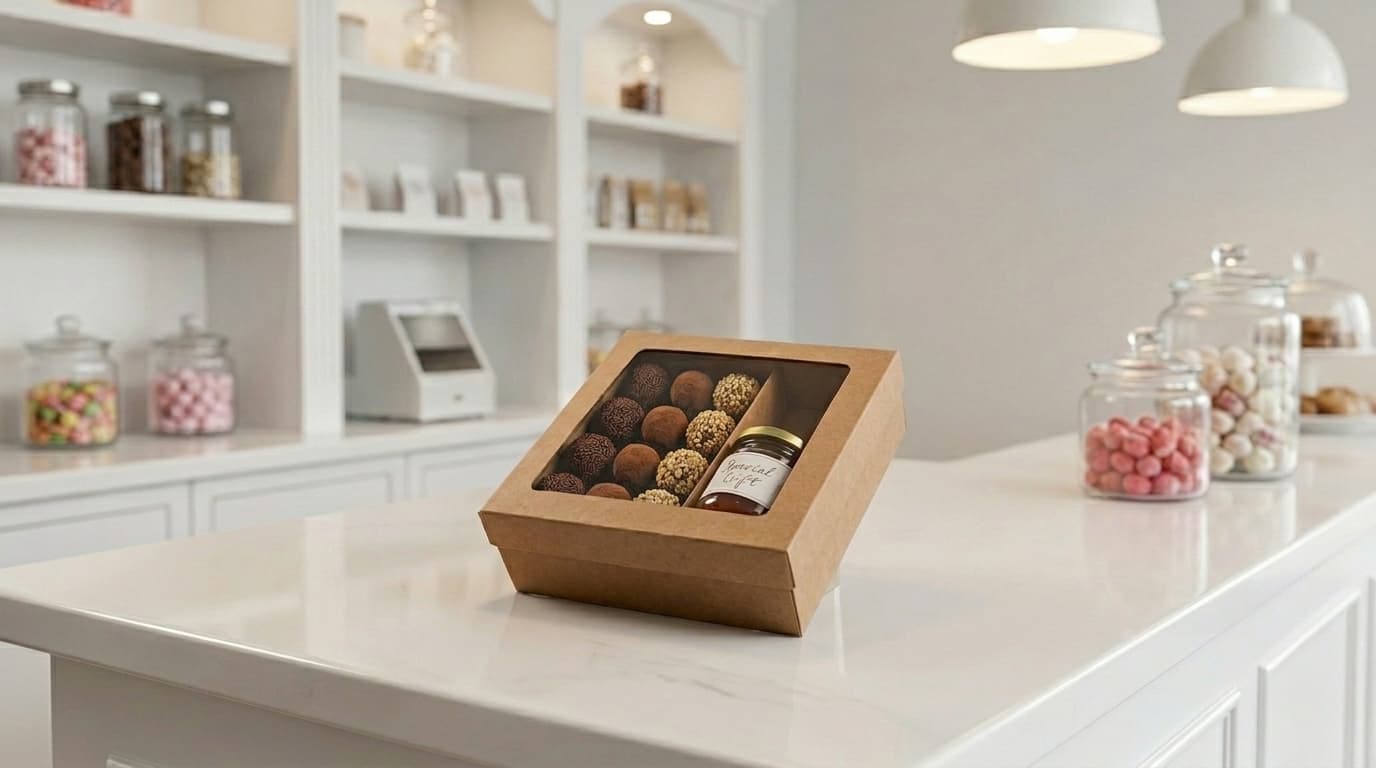
If wooden wine boxes are the classic that sells itself, sweet kits are where the market has grown most in recent years. For a long time, "gourmet kit" meant wine, cheese and olive oil. Today it also means single-origin chocolate, macarons, pralines and artisanal preserves.
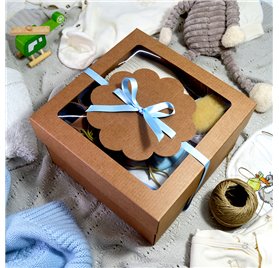
Our Gourmet M Box with Window works especially well for delicate compositions. The transparent window reveals the sweets without compromising structure, and the kraft tone contrasts softly with dark chocolates, colourful macarons or artisanal cookies.
This format is particularly sought-after for Valentine's Day, Mother's Day, Easter, sweet tables at weddings and christenings, welcome boxes in boutique hospitality and end-of-year gifts from bakeries and chocolatiers. It's the new frontier of premium gifting — and it's only just beginning.
The small details that make the hamper feel thought-out
Regardless of the kit type you choose — wine, sweet or a mixed composition — there's a set of small elements that make all the difference between a collection of products and a carefully composed gift.
The classics: a glass jar of honey well positioned, a sprig of rosemary tied to the ribbon, nuts in transparent sachets organised by colour, a minimalist label with the recipient's name, a natural jute string finish, decorative straw or crumpled kraft paper as a base.
The choice of base box is also a detail. For small and delicate compositions, the Royal Treasure works almost like a small chest — perfect for artisanal chocolates or a single special jar of honey. For larger and more "centrepiece" presentations, the Gourmet Horizon holds cheeses, wine, olive oil and nuts without looking overloaded.
Small gestures, big perception. The customer notices this immediately — even when they can't explain why. That's the secret of Silent Luxury: what matters doesn't announce itself.
Why packaging lasts beyond the delivery
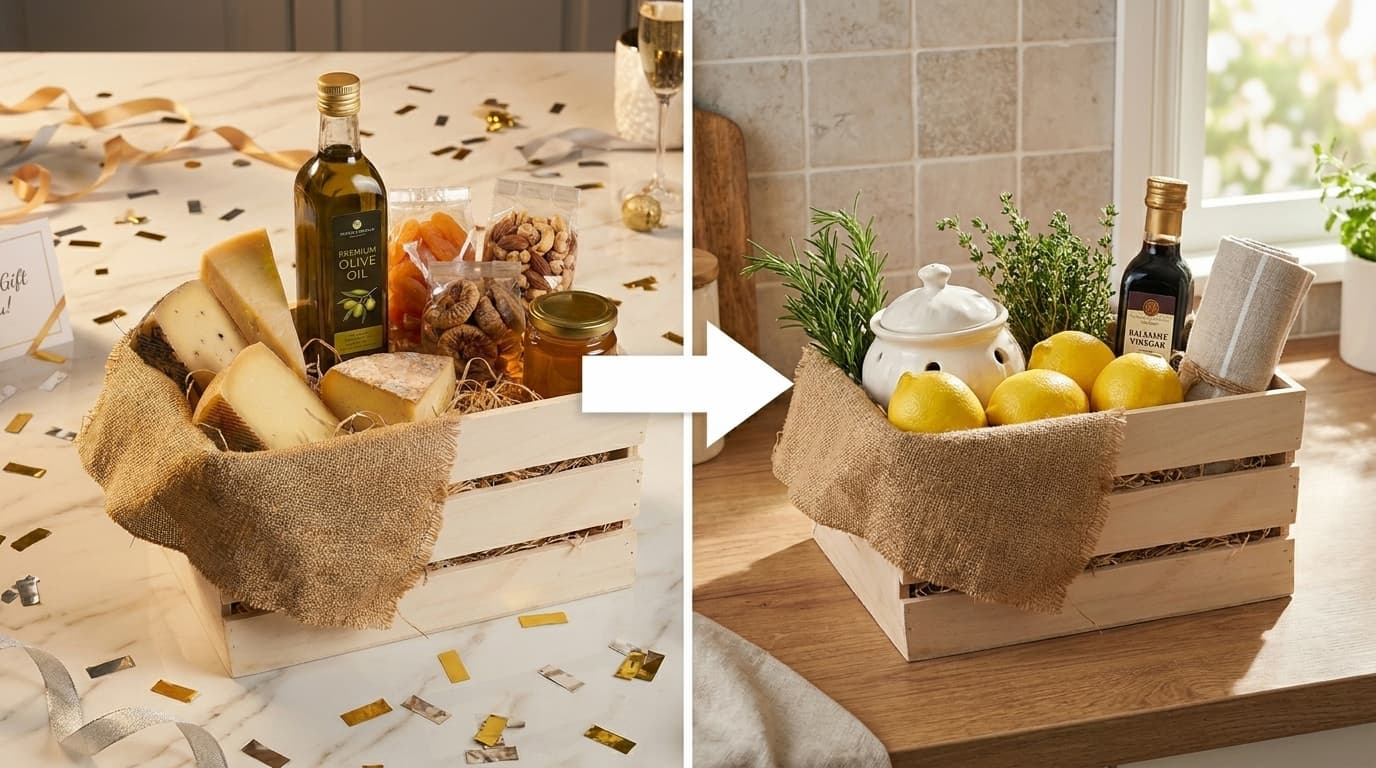
These details don't just elevate the first impression — they also explain why these packagings stay so long in the memory, and in the home, of the recipient. A good wooden crate rarely ends up in the bin. It moves to the kitchen, the living room, the entryway, becoming an organiser, an olive oil display, a decorative element on a shelf.
Our Rebelde Feast Box is designed precisely for this dual usefulness. It works as a gourmet hamper at delivery, but the rustic-chic aesthetic means it keeps living in the recipient's home long after. Every time they look at the box, they remember the gesture — a form of emotional marketing money can't easily buy.
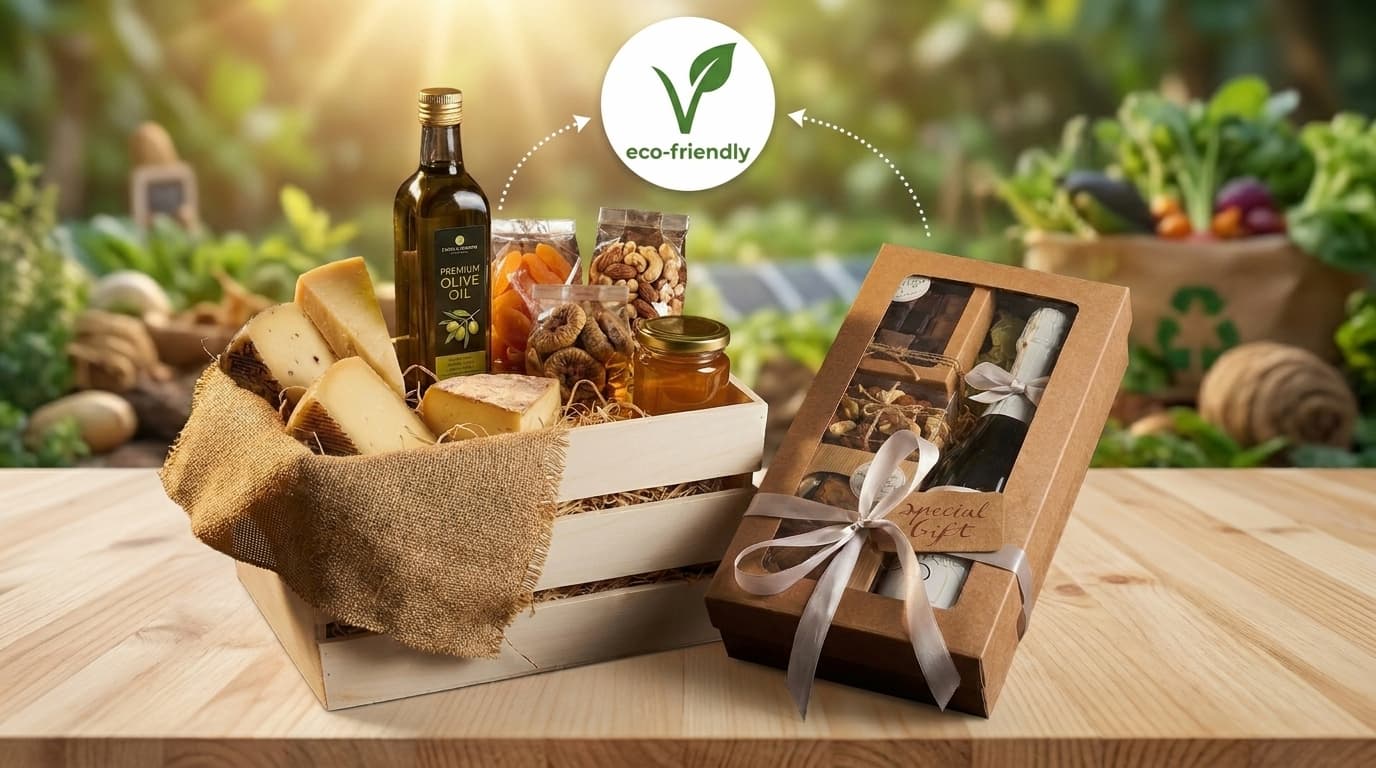
This durability has an ethical dimension that has gained weight in recent years. Certified wood and recyclable kraft cardboard respond to a real concern of today's consumer: gifting well, without compromise. They are biodegradable or fully recyclable, reusable at home, and visually aligned with the natural aesthetic the premium market seeks.
For companies that value ESG and sustainability in their communication, this detail is no longer optional. It's part of the gift's story, and premium customers increasingly notice — especially in B2B contexts.
Wood or premium cardboard: how to choose for your gourmet kit?
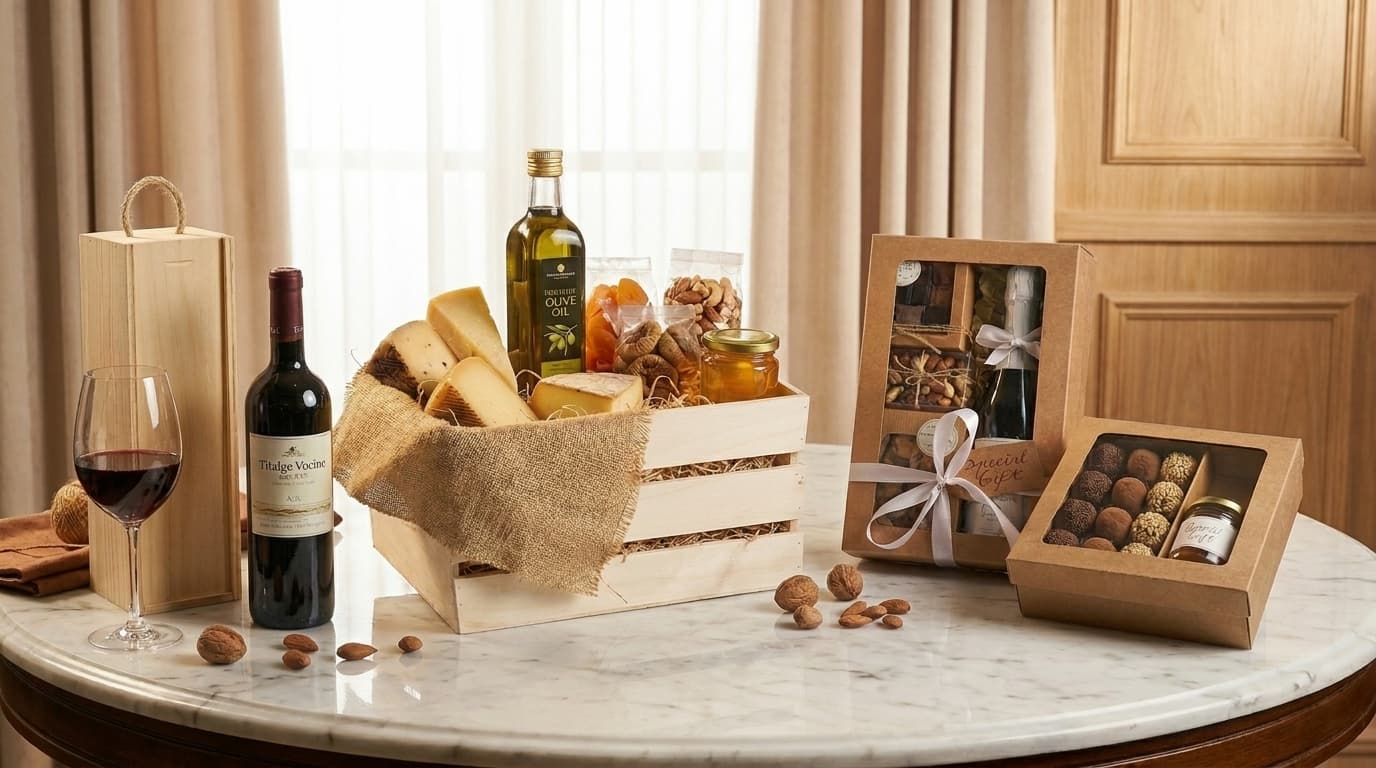
Knowing all this, the practical question remains: wood or premium cardboard? The answer depends on what you want to convey.
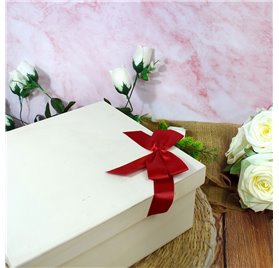
Wood is artisanal, sensory, and ideal for premium hampers, wines and top-tier corporate gifting. Premium cardboard is modern and minimalist, perfect for sweets, tasting kits and monthly boxes. For larger presentations where volume and structure count, the AVANA Premium 250x250x300mm is the balance between both worlds: the solid structure of cardboard, the natural tone that dialogues with wood.
Both materials can turn a simple kit into a memorable experience. Because today, more than products, people want to give moments that stay — and packaging is where that moment begins.
Featured Products
Latest Posts

Turn your packaging into your brand: paper bags, boxes, tissue paper, wrapping paper, printed tape and custom labels with your logo.

Learn how to wrap gifts with a professional finish: kraft paper, satin ribbon, raffia, cotton twine, organza bags and jute bags. A practical guide.

A practical guide to getting your shop's packaging ready for the summer sales: kraft paper bags, cardboard boxes and stock tips. See how to choose.

Does your home smell bad again just hours after cleaning? Discover the hidden causes of bad odours and the products that eliminate them at the source.