
Anyone who makes a drink by hand knows that every bottle tells a story. Hours go into choosing the ingredients, perfecting the recipe, filling with care and designing a label that does the product justice. After all that work, there is one shared goal: making sure the customer receives the bottle exactly as it left production.
But between transport, storage and being handled on a shop shelf or a market stall, packaging passes through a lot of hands. It is only natural that shoppers want reassurance that nobody opened the product before they bought it. That is precisely where a security seal - also known as a shrink seal or heat-shrink capsule - makes all the difference.
As well as showing that the packaging is still intact, the seal protects the cap during transport, helps reduce the risk of small accidental loosenings and sends an important message: this product was prepared with care and respect for whoever buys it.
Whether you go for a 18 mm shrink seal, a 24 mm one, a 31.5 mm one or another compatible size, this small detail builds customer confidence and lifts the whole presentation of the bottle. In this article we answer the most common questions and show you how to pick the best option for each type of packaging.
What exactly is a security seal?
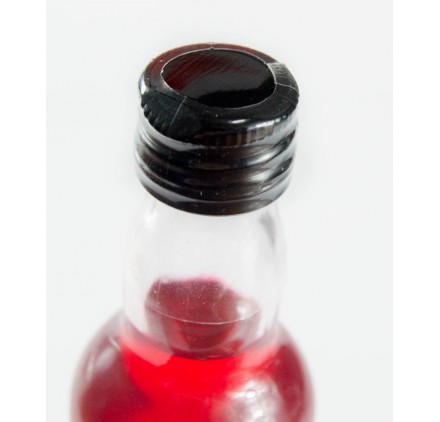
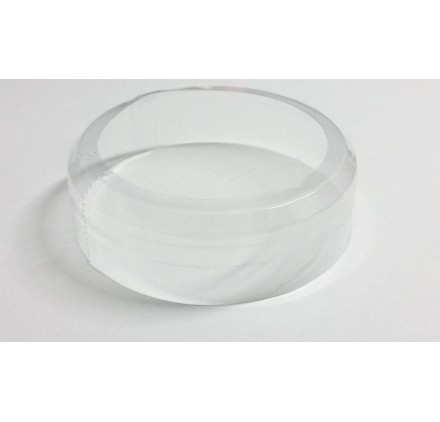
A security seal - or shrink seal - is an accessory applied over the cap and neck of the bottle that visually shows whether the packaging has been opened. It also goes by the names heat-shrink capsule or shrink sleeve, precisely because it shrinks and moulds itself to the bottle once heat is applied.
Once in place, it wraps around the cap and the neck. When the bottle is opened for the first time, the seal breaks or has to be removed, so the customer sees straight away that the packaging has already been opened.
That is why these seals are used on products such as:
- Craft liqueurs
- Wines and sparkling wines
- Olive oils
- Fresh juices
- Syrups
- Sauces
- Vinegars
- Gourmet drinks
The 18 mm shrink seal and the 24 mm and 31.5 mm versions all do exactly the same job: offering visible protection that builds trust with the person buying.
Why put a seal on the bottle?
This is one of the questions small producers ask most often. If the cap already closes properly, is a seal really worth it? In most cases, the answer is yes.
Customers rarely know anything about how the drink inside the bottle was made. Before tasting the product, they size up the packaging with their eyes. A clean bottle with a good label and a security seal immediately conveys organisation, hygiene and professionalism.
Packaging with no protection at all, on the other hand, can raise doubts - especially with handmade food and drink. It is a simple detail, but one that directly shapes that first impression.
Does the seal only protect the bottle?
No. In fact, it protects a great deal more than that.
It protects the product
By showing that the packaging has never been opened, the seal helps preserve the customer's confidence right up to the moment of first use.
It protects the cap
During transport, bottles are subject to vibration, knocks and constant movement. The heat-shrink capsule wraps around the cap and helps keep it protected against the small loosenings that handling can cause.
It protects your brand image
People buying a handmade product look for quality in every detail. Well-presented packaging conveys more care and reinforces the producer's credibility.
It protects all the work behind it
Every bottle represents time, investment and dedication. The seal shows the customer that this care is still there at the moment of purchase.
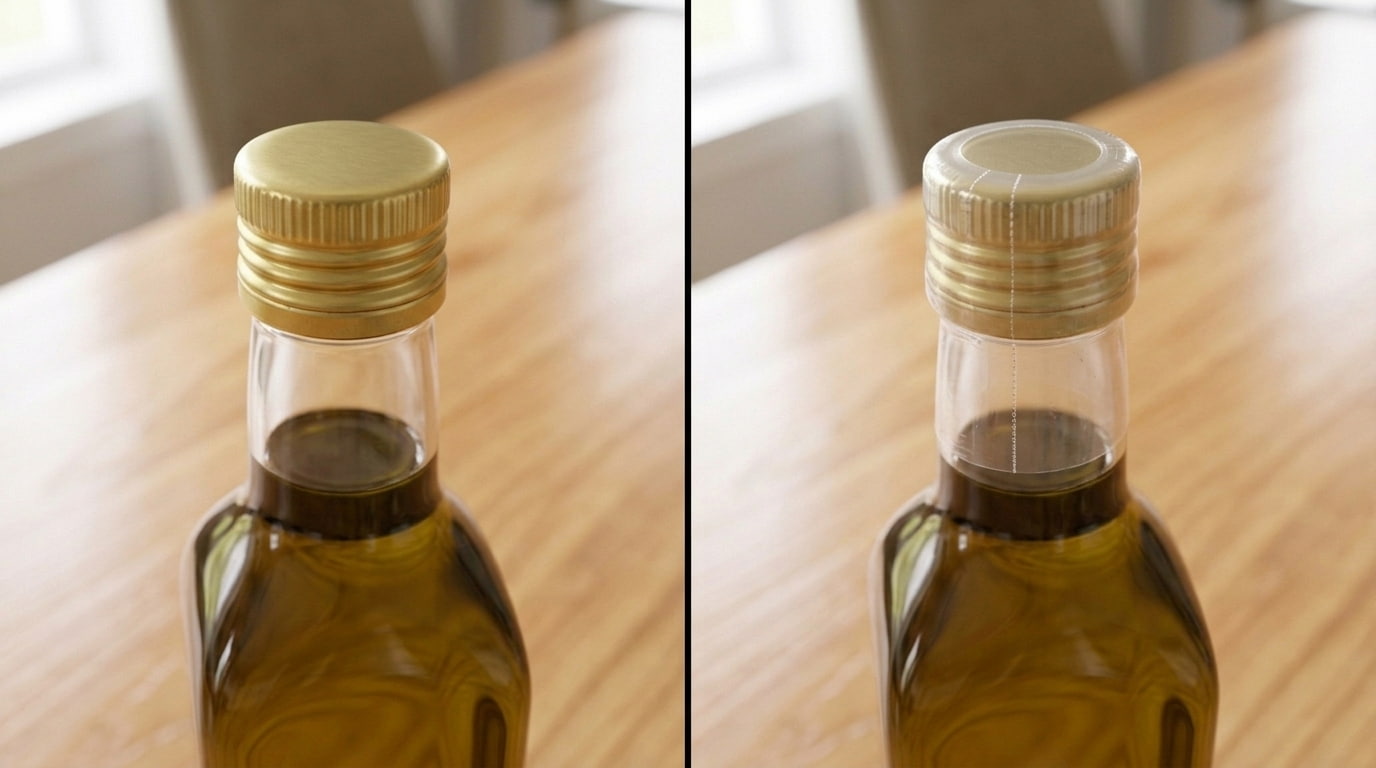
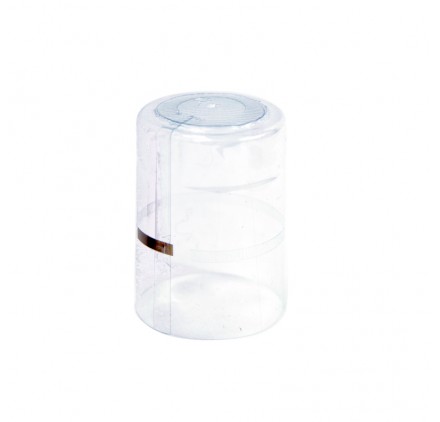
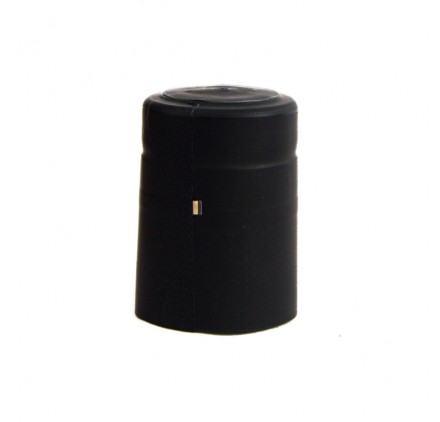
In the photo: Retractable Security Seals 24mm →
Do customers really notice this detail?
More than you might think. Picture a craft fair. A customer walks up to a stall lined with bottles of liqueur. Before even asking about the flavour or how it was made, they pick up the bottle, look at the label and check the cap.
Without consciously realising it, they are looking for signs that the product has been properly packaged. A bottle protected with a security seal gives an immediate sense of trust. It is as if the packaging itself were saying: "This product stayed protected until it reached your hands." Small details like this are exactly what can tip a buying decision.
How to choose the right seal
One of the most common assumptions is that any model will do. In practice, what matters most is checking the diameter of the bottle neck and making sure the seal is compatible with the cap you use.
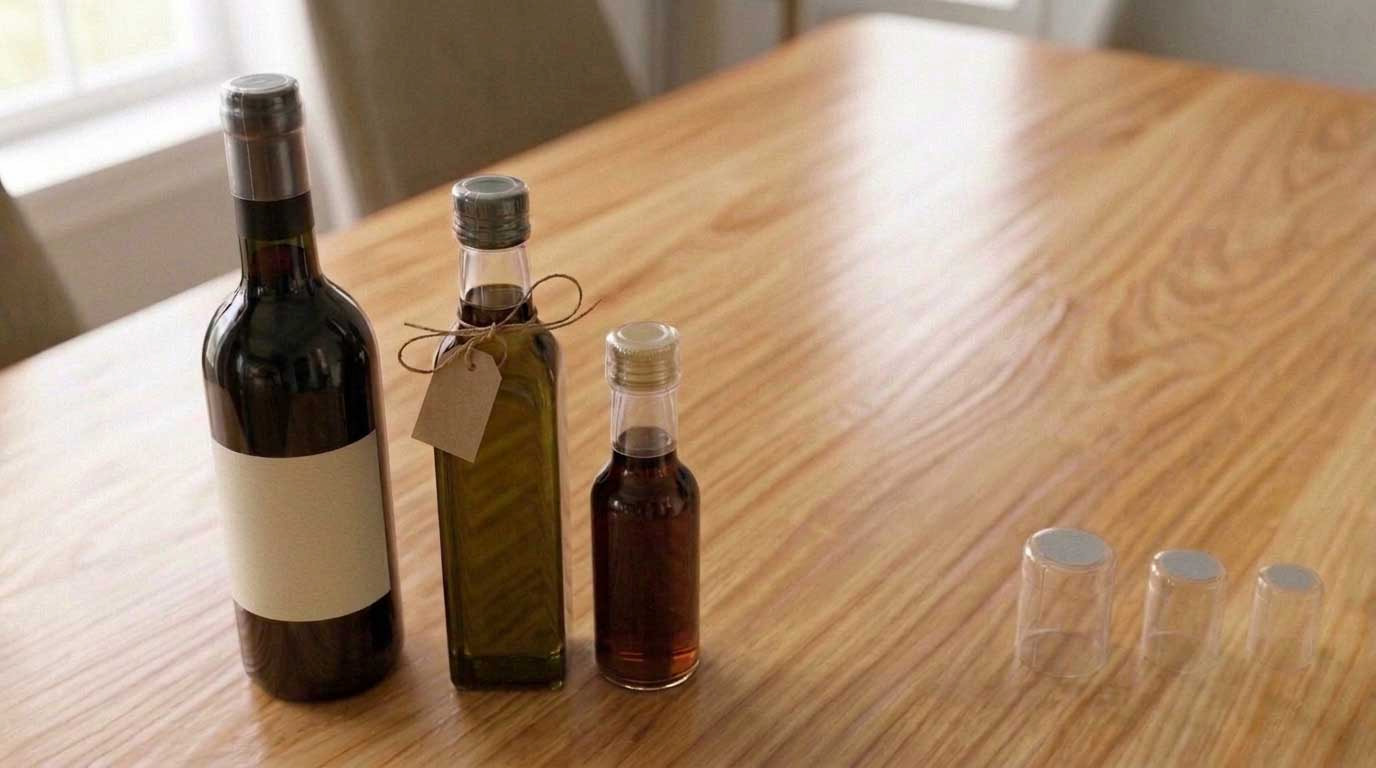
In the photo: Retractable security seal 31.5 mm →
If you work with mini bottles for liqueurs, keepsakes or tastings, the 18 mm shrink seal is a practical, discreet solution designed for slimmer necks. For larger bottles - olive oils, fresh juices, syrups or sauces - the 24 mm size is usually the right call. And for wide necks, as on many wine bottles, there is the 31.5 mm format.
Whatever the size, using a seal that matches the bottle guarantees correct application, a neater finish and far more effective protection.
How to seal a bottle: step by step
Applying the seal is simple, but a few precautions make all the difference to the result. Before sealing, check that the bottle is completely full, that the cap is firmly tightened and that the packaging is clean and dry. Only then should the seal go on.
The process is very quick:
- Slide the seal over the cap and the neck.
- Make sure it is properly aligned.
- Apply heat with a heat gun, a hot air blower or even a hairdryer on its highest setting.
- Within seconds, the seal shrinks and moulds perfectly to the shape of the bottle.
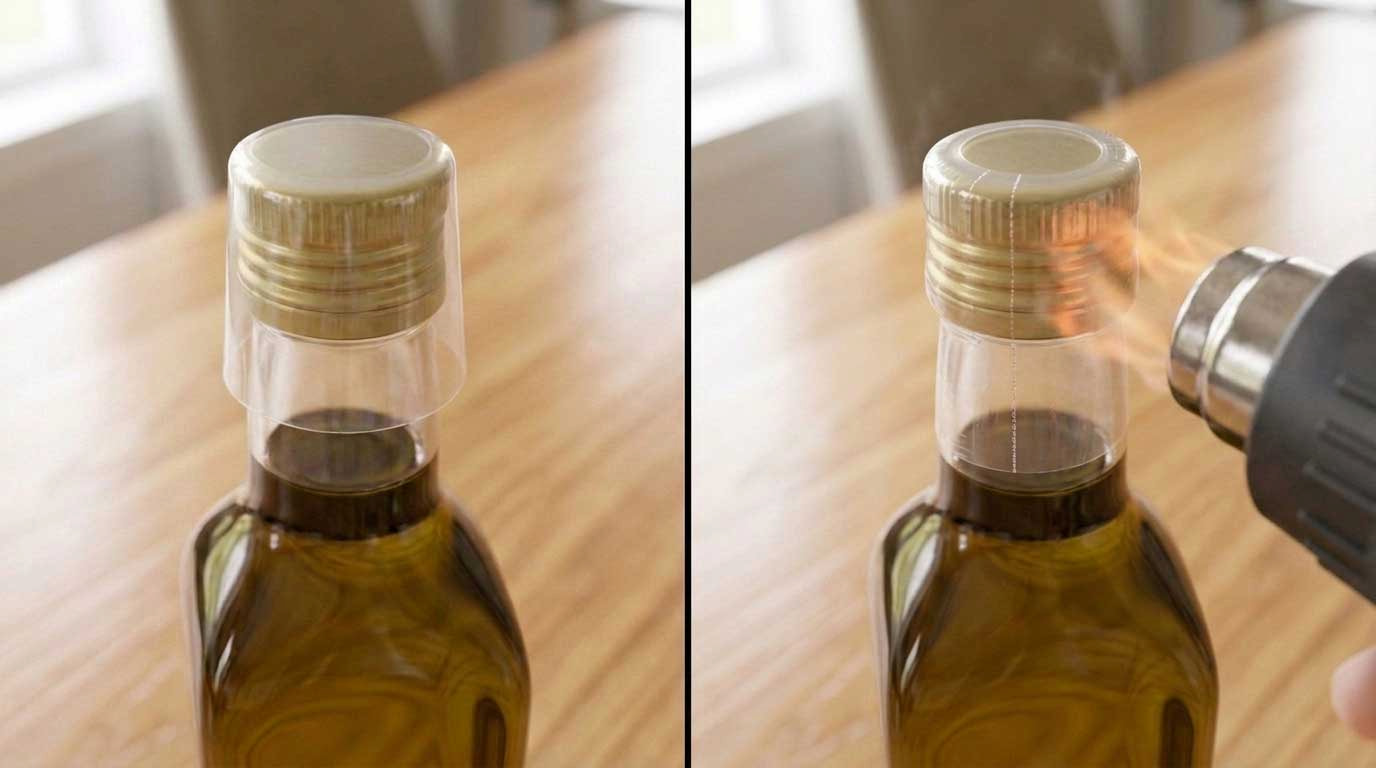
In the photo: Retractable security seal 18 mm →
Always double-check that the diameter of the seal matches the neck of your packaging. A well-applied seal not only looks better, it also makes any attempt to open the bottle easier to spot.
The most common mistakes when sealing a bottle
Simple as it is, a few mistakes can spoil the result. The most frequent ones are:
- Choosing a seal that is too small or too large for the diameter of the neck.
- Applying too much heat and warping the seal.
- Not tightening the cap fully before applying.
- Sealing bottles that are damp or dirty.
- Storing the seals somewhere hot before using them.
A little care during application guarantees an attractive finish and effective protection.
Before handing the product over to the customer, run a quick check:
- ✔ The bottle is clean and free of residue.
- ✔ The cap has been tightened properly.
- ✔ The seal sits snugly on the neck.
- ✔ The label is straight and free of bubbles.
- ✔ There are no signs of damage to the packaging.
- ✔ The bottle is ready for transport and display.
This check takes only a few minutes and helps you project a far more professional image.
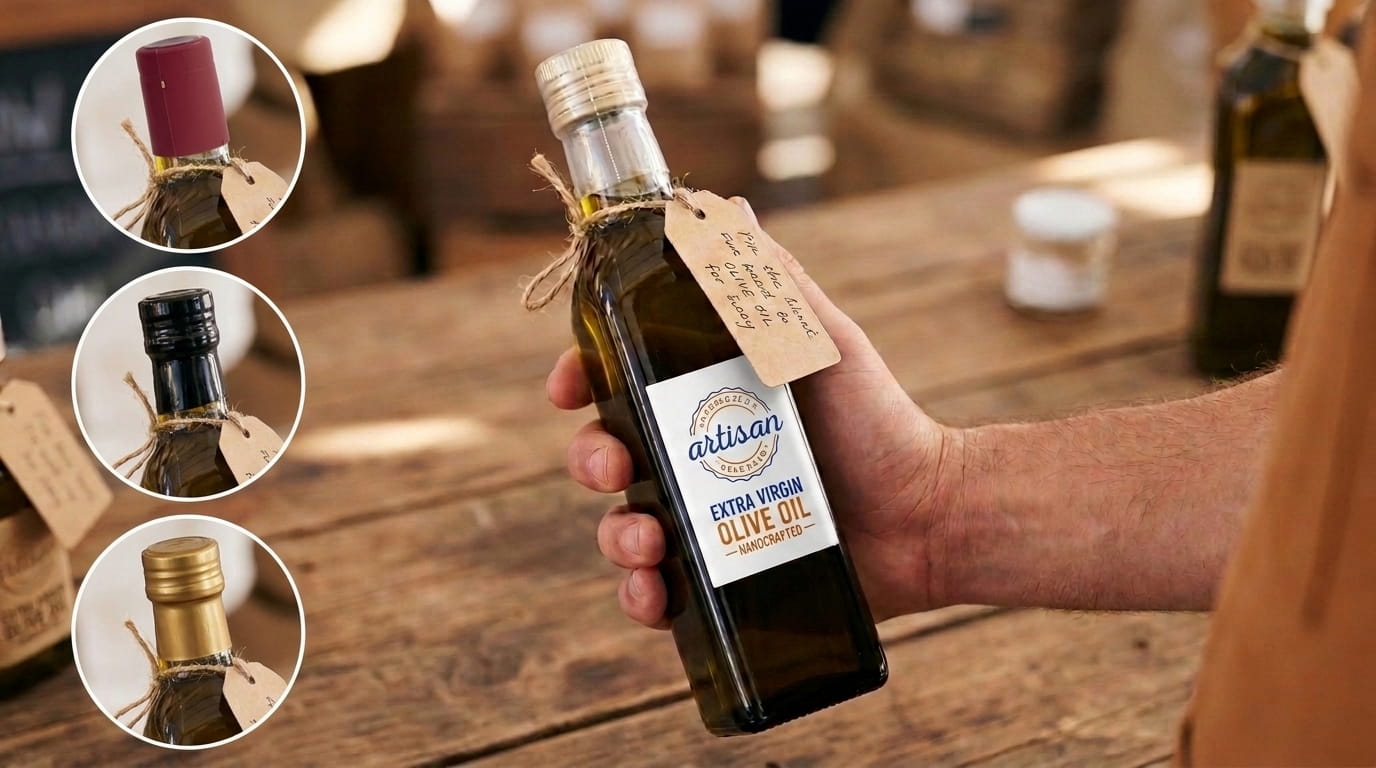
A small detail that protects far more than a bottle
Anyone who produces by hand knows a bottle is far more than a container. It holds hours of work, dedication, investment and the pride of delivering a quality product.
Before ever tasting a liqueur, an olive oil or a fresh juice, the customer judges what they can see. Packaging that is clean, well closed and protected conveys trust and shows that care went into every stage of production.
That is why security seals and shrink seals - in 18 mm, 24 mm, 31.5 mm or other formats - have become so important for craft producers and small businesses. In the end, the seal does not just protect the bottle: it protects the customer's trust, reinforces the brand's credibility and shows the care put into every last detail.
Explore the whole Espírito Rebelde packaging collection and find the shrink security seals, caps, glass bottles and labels ideal for presenting and protecting your handmade products.
Featured Products

Latest Posts

What a security seal does for your bottle and how to choose between 18 mm, 24 mm and 31.5 mm. Step-by-step sealing, mistakes to avoid and a checklist.

Easy summer recipes in glass jars and bottles: strawberry ice cream, overnight oats, cheesecake, piña colada and pink lemonade. Fresh and ready to go.

Discover how to use glass and PET test tubes for wedding favours, corporate gifts, decoration and organisation. Ideas, sizes and how to choose the right one.

Turn your packaging into your brand: paper bags, boxes, tissue paper, wrapping paper, printed tape and custom labels with your logo.