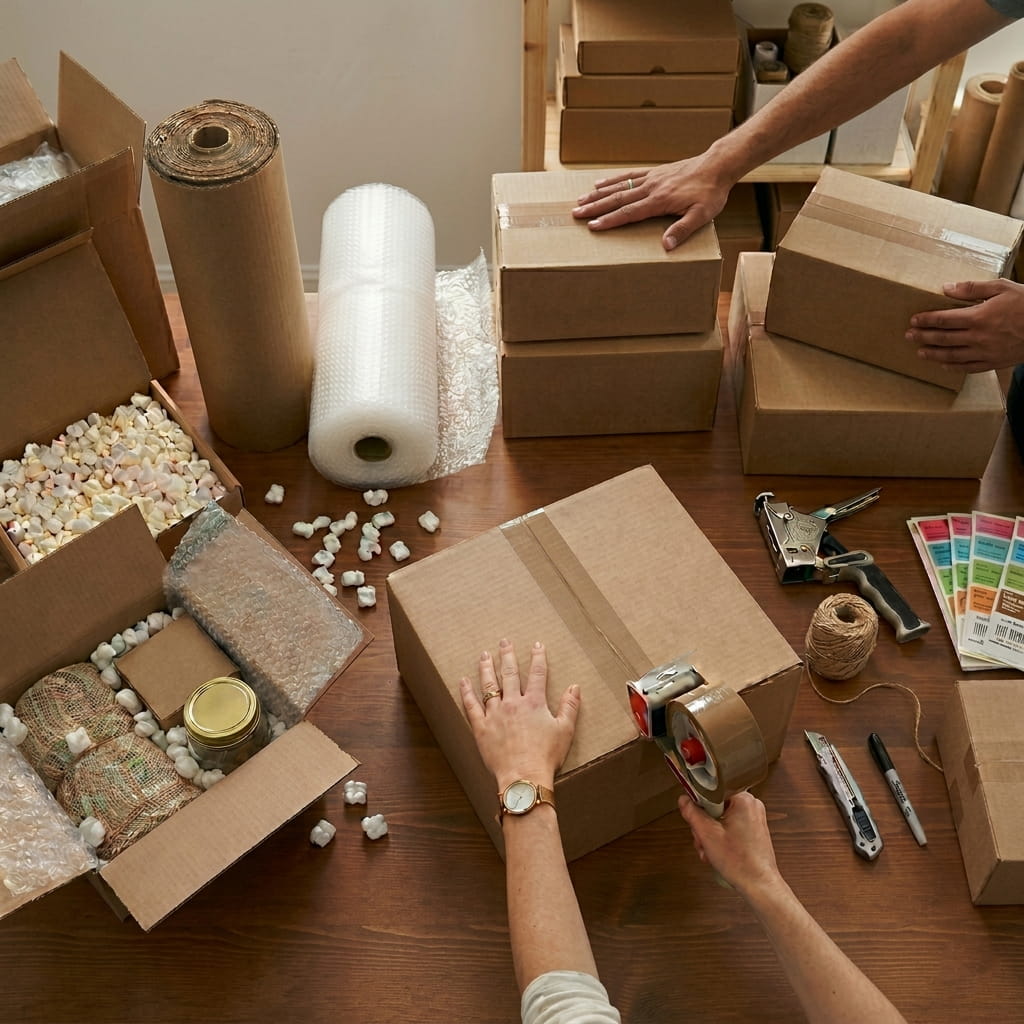
Picture your next online order already on the dispatch bench: boxes in different sizes, bubble wrap to hand, corrugated cardboard reels, loose-fill, adhesive tape. Everything you decide there is what will (or won't) arrive intact at your customer's door.
In ecommerce, it only takes one damaged parcel to cause a real problem: returns, complaints, negative reviews, refund requests. And, in most cases, the issue isn't even the product — it's the packaging used for shipping.
This guide shows you how to prepare that bench from start to finish: pick the right box, protect from the inside, seal it properly and avoid the most common mistakes. Useful for anyone running an online store, pharmacy, florist, cosmetics brand, winery, craft studio, stationery shop, bookstore or bakery — for any business shipping products by post or courier.
The Problem: When the Parcel Arrives Damaged
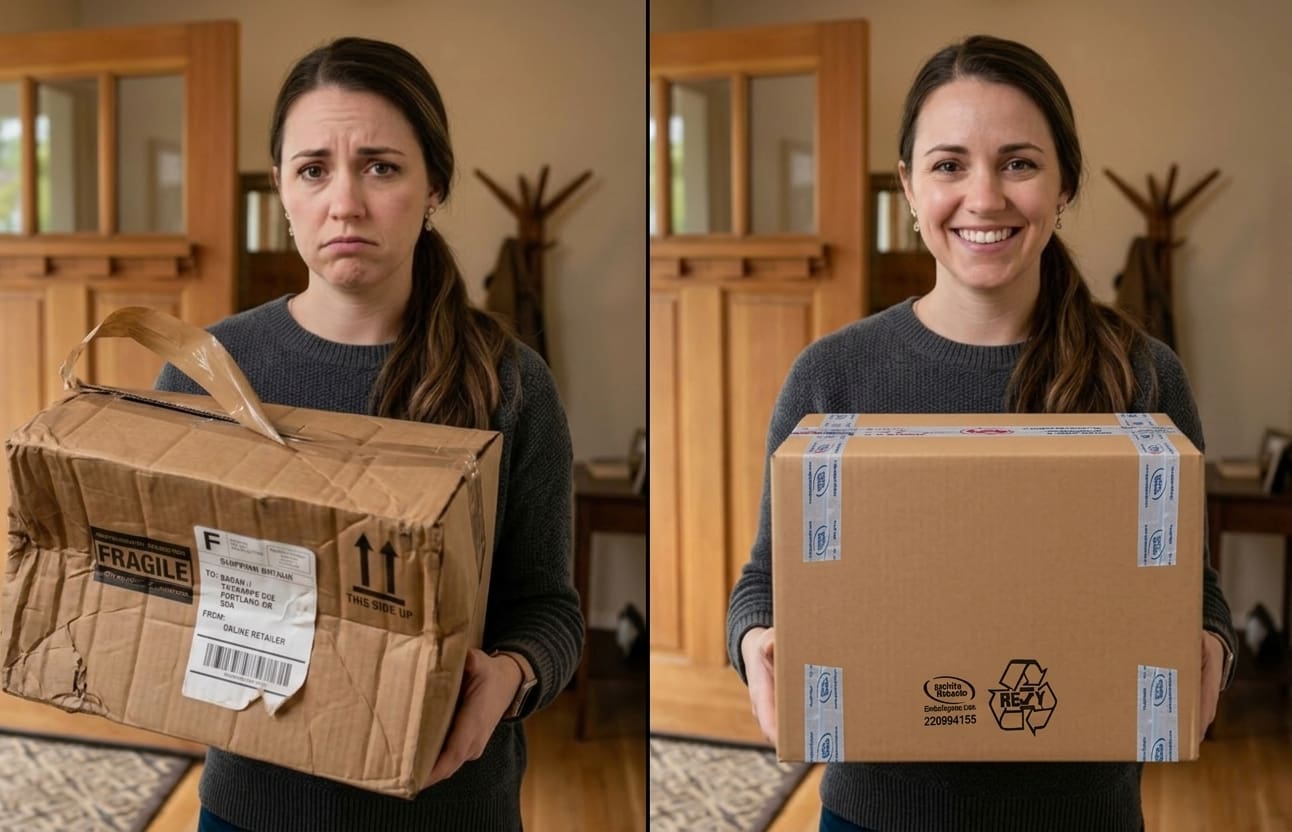
The difference is often exactly this: on the left, a crushed box, badly prepared, with the product spilling out. On the right, the same order — but packed the right way — arriving perfect. Same product, two completely different outcomes.
In ecommerce, every parcel goes through several stages before reaching the customer: warehouse, dispatch, courier, distribution hub and, only then, the customer's home. It gets stacked, moved and handled multiple times along the way. Depending on the product type, small impacts can cause:
- scratches and scuffs
- breakage and cracks
- dents
- products loose inside the packaging
- deformed packaging
- water seepage
Products like glass bottles, cosmetics, artisan candles, jars, perfumes and decor items are particularly sensitive.
The Solution: American Style Cardboard Boxes

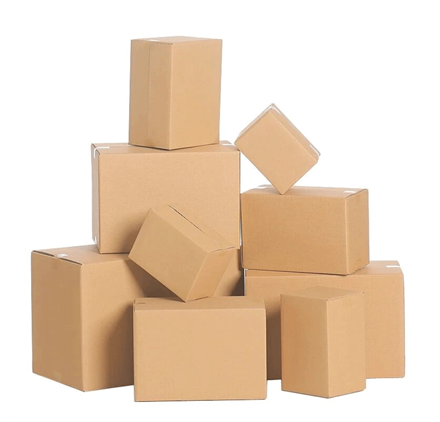
At Espírito Rebelde, these boxes are available in 14 different sizes, from the smallest (230 × 155 × 120 mm), ideal for cosmetics or accessories, to the largest (700 × 460 × 420 mm), designed for moving, bulky products or large kits.
That's why American Style Cardboard Boxes remain the number one choice for ecommerce across Europe. They are:
- strong — they handle stacking and impacts
- practical — quick assembly with adhesive tape
- easy to store — they take little space when flat
- versatile — adapt to almost any product
- recyclable — aligned with sustainable practices
Many brands also use them to personalise the boxes with their logo, turning every shipment into a branding opportunity.
What Still Goes Wrong: The 5 Most Common Mistakes
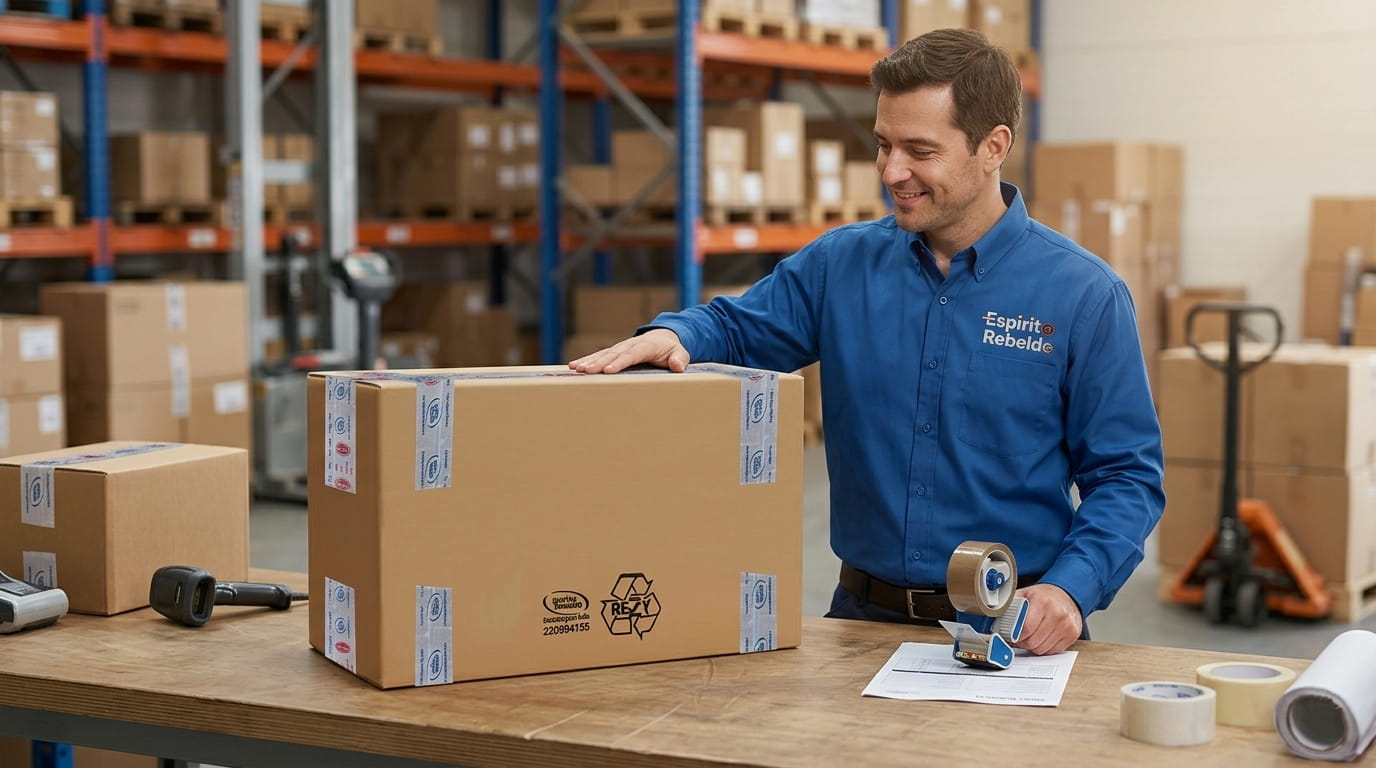
Even with good materials, there are recurring mistakes that cause most damage: an oversized box with the product swimming inside, a box with no filling at all, a heavy product inside a too-thin box, and tape badly applied that opens mid-transit.
- Using an oversized box — extra space, product moves, product breaks.
- Not filling empty space — even the right box, without fill, still risks damage.
- Underestimating weight — single wall for a heavy product is half a box.
- Sealing badly — wrong tape or rushed application opens in transit.
- Ignoring "fragile" and orientation labels — clear signage helps the handler.
Knowing these mistakes already prevents many problems. But what really makes the difference is choosing the right box from the start — and that comes down to a few practical points.
What to Watch For to Get It Right
- Product weight — the heavier it is, the thicker the wall should be.
- Fragility — glass, ceramics and liquids always call for double wall.
- Exact dimensions — only slightly larger than the product plus protection.
- Shipping distance — international travels rougher → double wall.
- Stacking — pick a thickness above the minimum.
- Volumetric weight — an oversized box pushes shipping costs up.
| Product type | Suggested size (mm) | Thickness |
|---|---|---|
| Cosmetics, jewellery, small accessories | 230 × 155 × 120 | 2.5 mm |
| Books, stationery, folded textiles | 270 × 240 × 190 or 360 × 240 × 150 | 3 mm |
| Footwear, medium kits, small decor | 300 × 300 × 120 or 330 × 330 × 130 | 3 mm |
| Small electronics, jars, bottles | 390 × 245 × 250 | 3 mm |
| Large kits, product bundles | 400 × 280 × 270 or 450 × 330 × 320 | 3 mm |
| Wine bottles, glass, fragile items | 540 × 325 × 340 | 5 mm (double) |
| Moves, bulky items, XL kits | 700 × 460 × 420 | 5 mm (double) |
Beyond the Box: What Else Counts
Inside
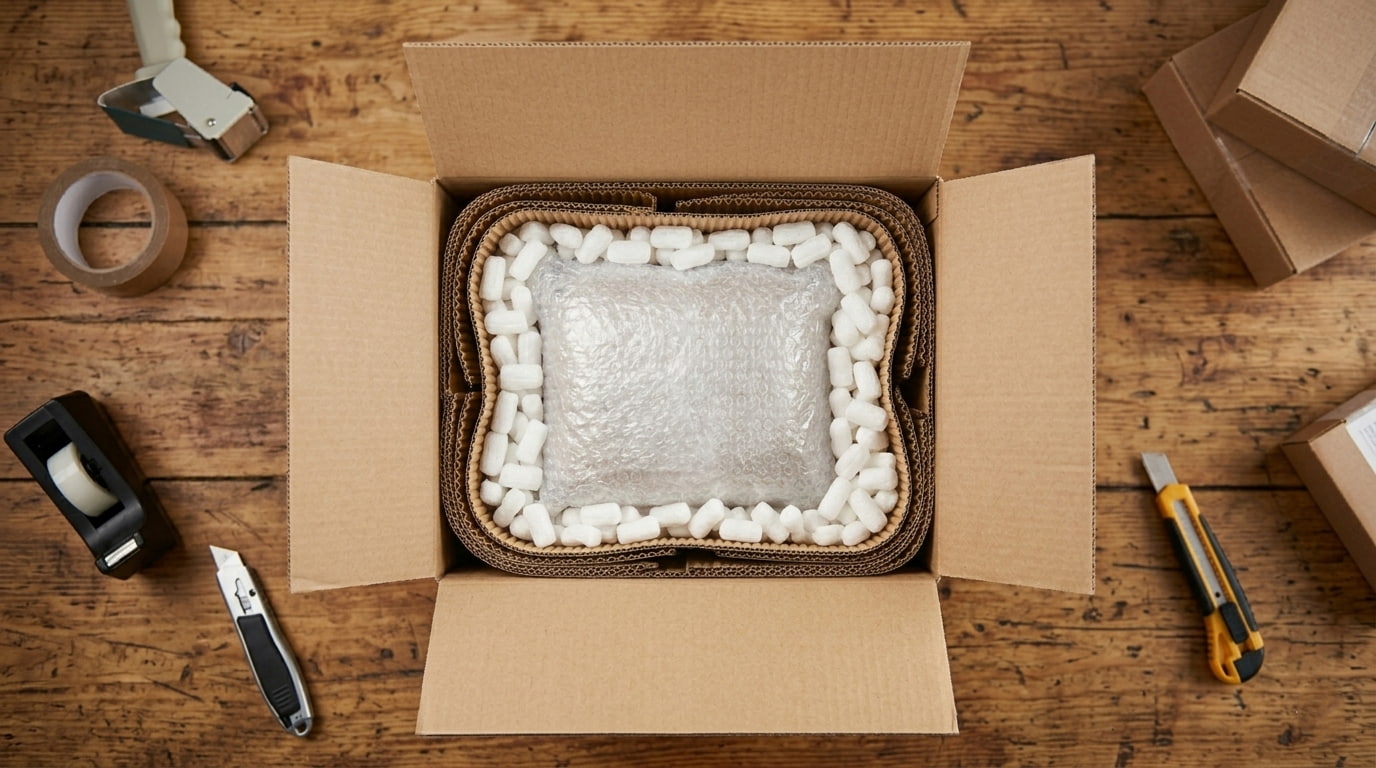
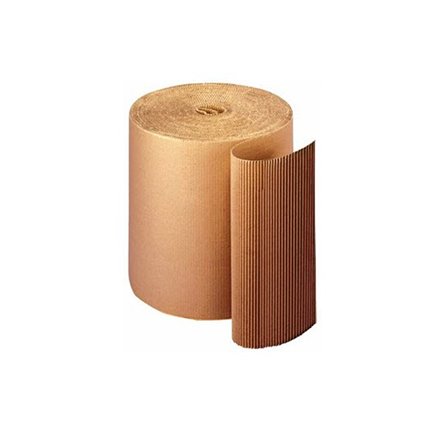
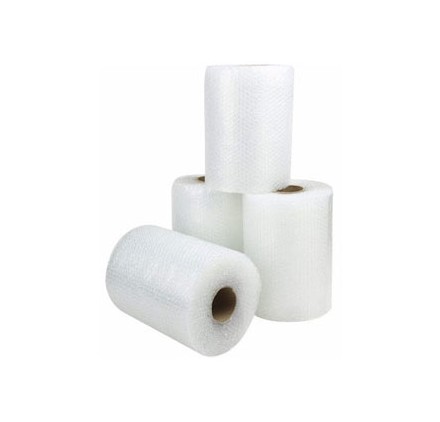
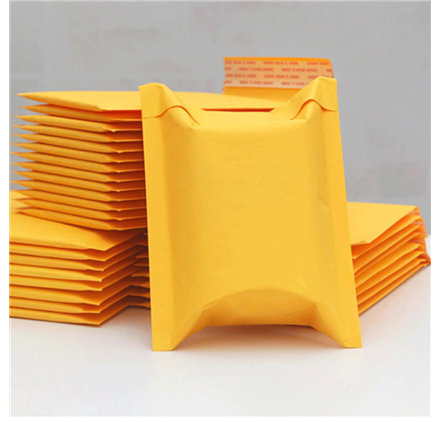
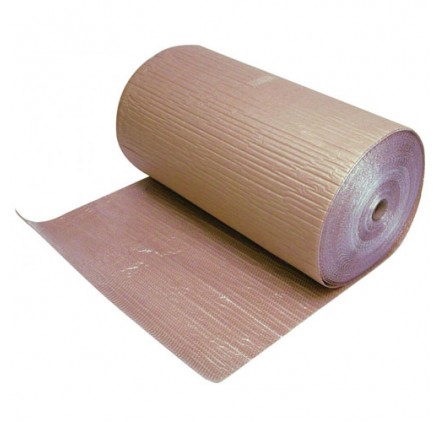
The right box solves half the problem. The other half is what goes inside. That's how a truly safe shipment is built: product wrapped in bubble wrap in the centre, corrugated cardboard reel reinforcing the sides and loose-fill filling everything else.
Outside
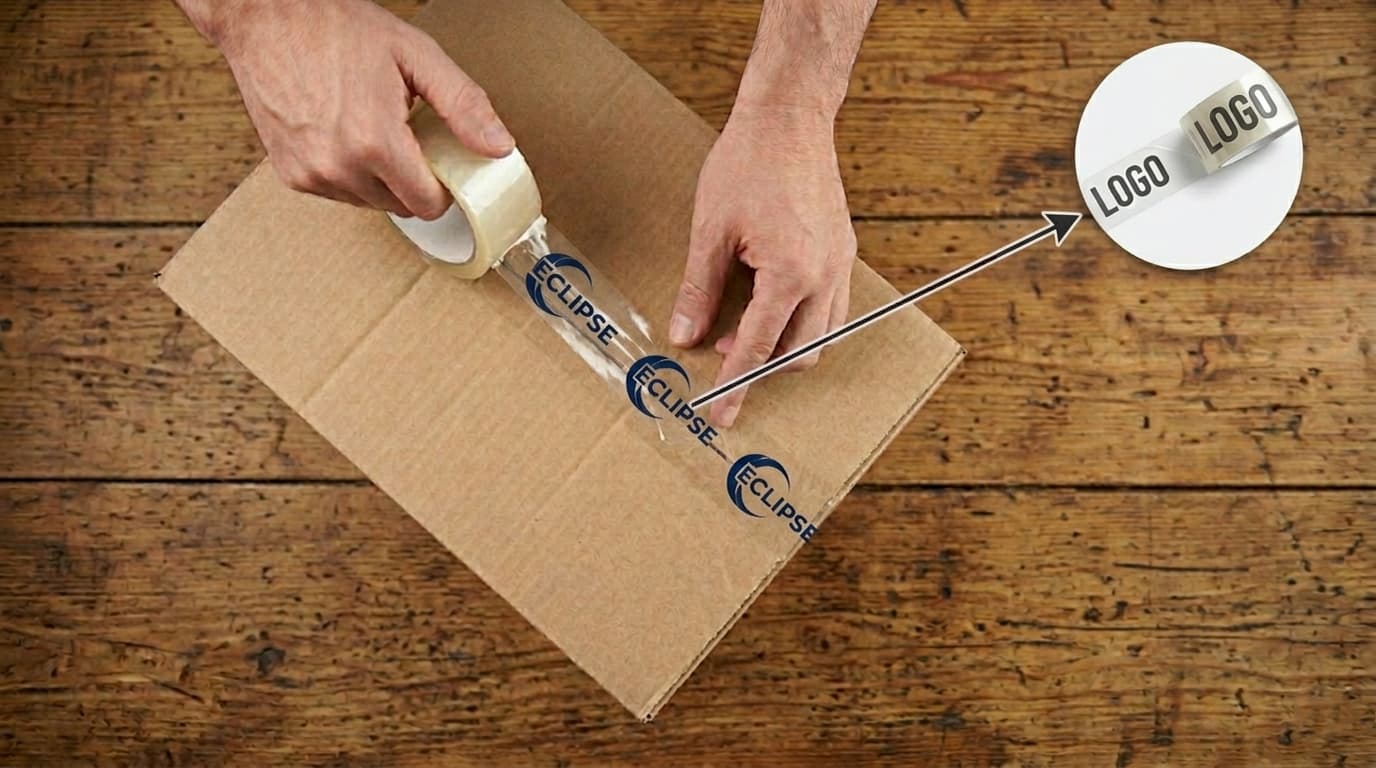
Everything that's right on the inside can be ruined by a bad seal. It's the last thing done to the parcel — and the first thing the courier sees.
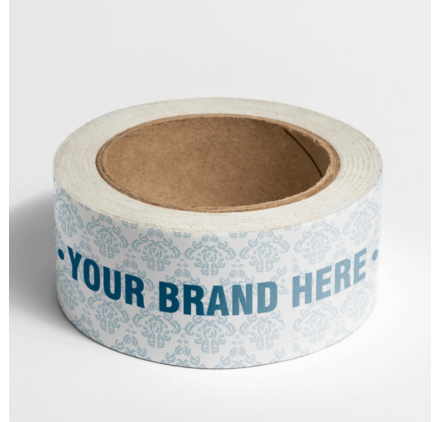
Good adhesive tape applied with method is as important as the box itself. Beyond plain tape, more and more brands are choosing custom printed tape with their logo — packaging stops being just protection and becomes a brand signal too.
Mission Accomplished: The Order Ready to Ship
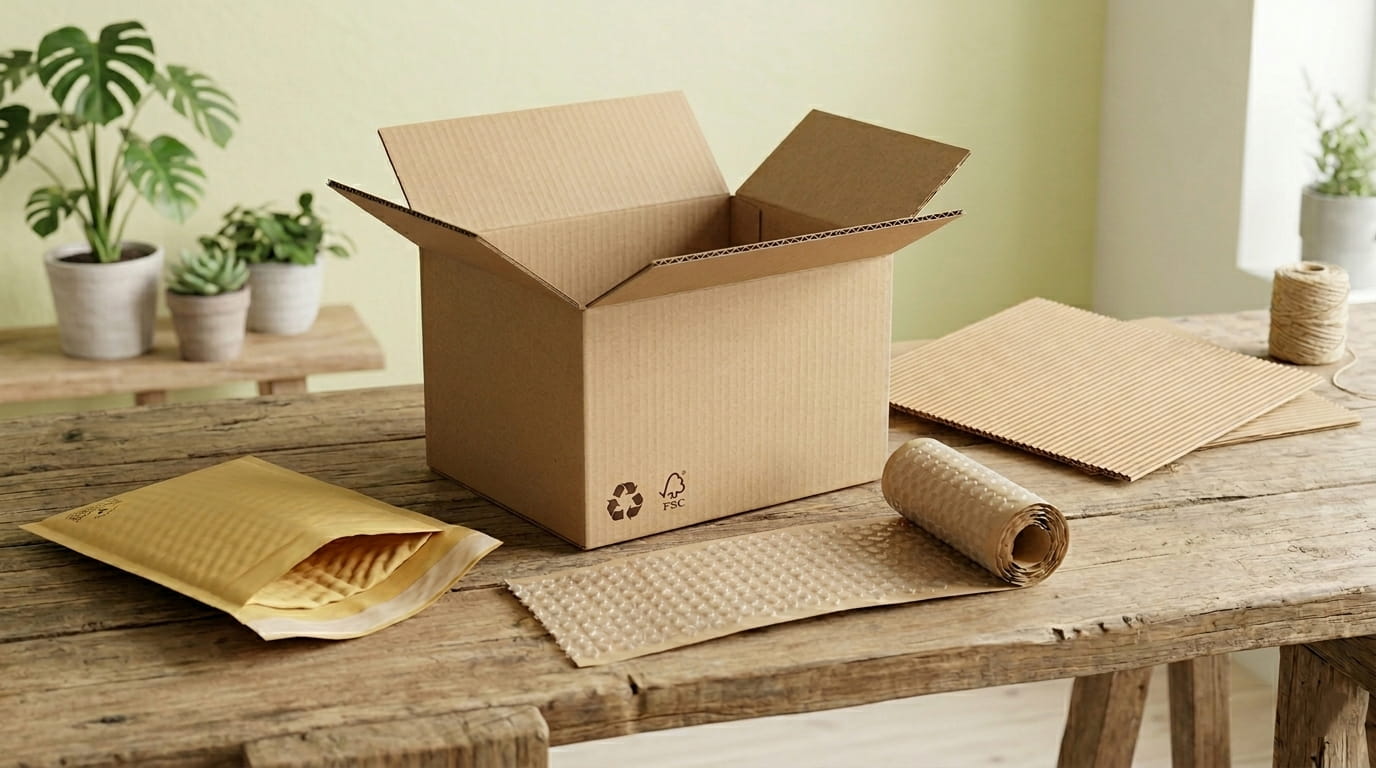
After choosing the box, protecting from the inside and sealing it properly, this is the result. Box sealed, shipping label applied, ready to go to the customer. This is the moment your store keeps the promise the customer will receive in hand.
People buying online expect their product in perfect condition. And, more than the carrier, it's the packaging that secures that commitment between the store and the customer.
American Style Cardboard Boxes remain the most practical and safest solution. Combined with bubble wrap, corrugated cardboard reels, loose-fill and adhesive tape, they turn every order into a safe, professional delivery worthy of the brand.
Because in ecommerce, the order doesn't only need to leave the warehouse. It needs to reach the customer exactly as it was prepared.
Featured Products
Latest Posts

Which bottle for each handmade cosmetic? Amber glass for oils and serums, jars for creams, perfume bottles and samples. A packaging guide to help you sell.

What a security seal does for your bottle and how to choose between 18 mm, 24 mm and 31.5 mm. Step-by-step sealing, mistakes to avoid and a checklist.

Easy summer recipes in glass jars and bottles: strawberry ice cream, overnight oats, cheesecake, piña colada and pink lemonade. Fresh and ready to go.

Discover how to use glass and PET test tubes for wedding favours, corporate gifts, decoration and organisation. Ideas, sizes and how to choose the right one.