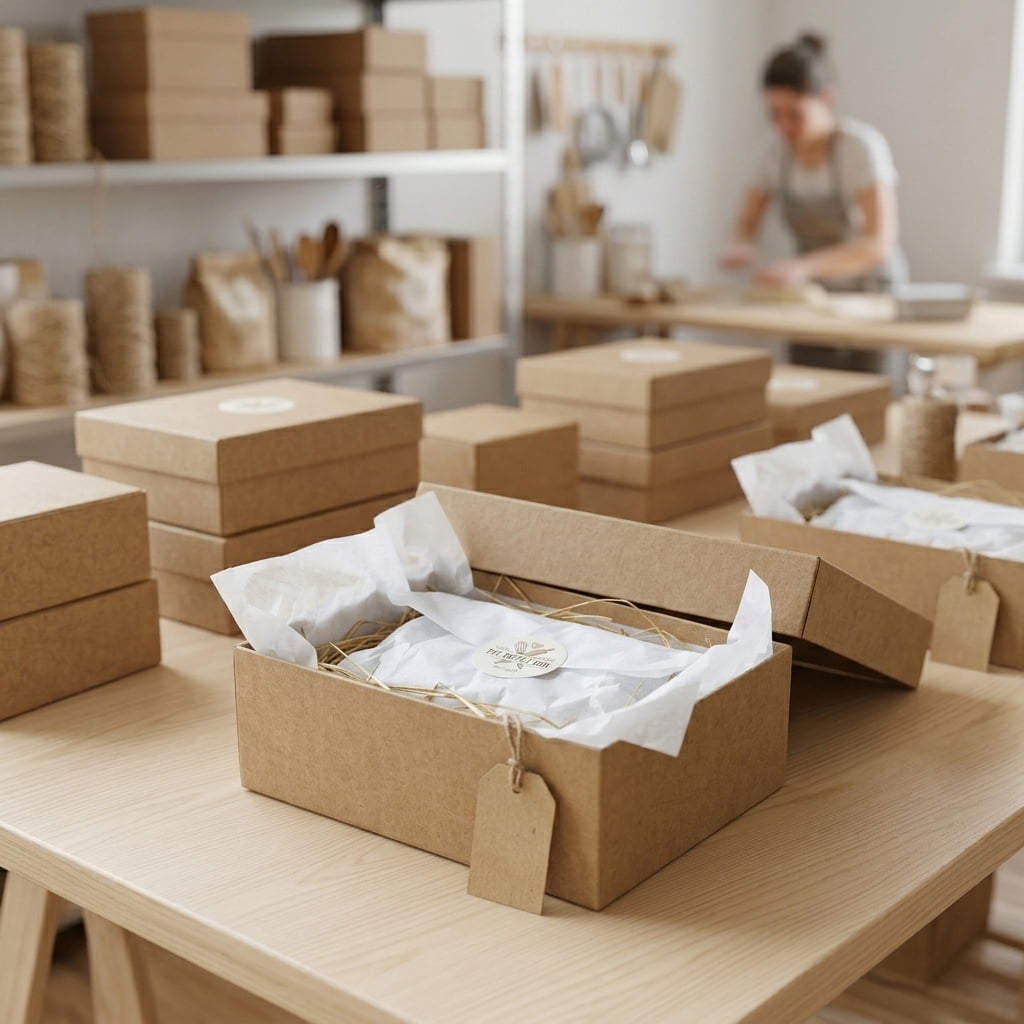
What is premium packaging?
Premium packaging combines carefully chosen materials — such as tissue paper, satin ribbons, kraft labels and decorative filling — to create an unboxing experience that conveys identity, care and exclusivity before the customer even sees the product.
More than protection, premium packaging has become a silent marketing channel: it communicates value, professionalism and attention to detail in the first 5 seconds of opening.
Why the customer forms an opinion before opening the box
The parcel arrives. The customer receives it. They notice the details. And within seconds they form a perception of that brand: more careful, more professional, more valued.
Curiously, that feeling rarely starts with the product. It starts with the presentation of the packaging.
Today, consumers don't just look for quality. They look for brands that convey identity, attention to detail and a pleasant visual experience from the very first contact. In a market where so many shops sell similar products, the way an order is presented can completely change how it is perceived.
Packaging is no longer just protection
For a long time, many brands saw packaging as mere protection. That no longer works today.
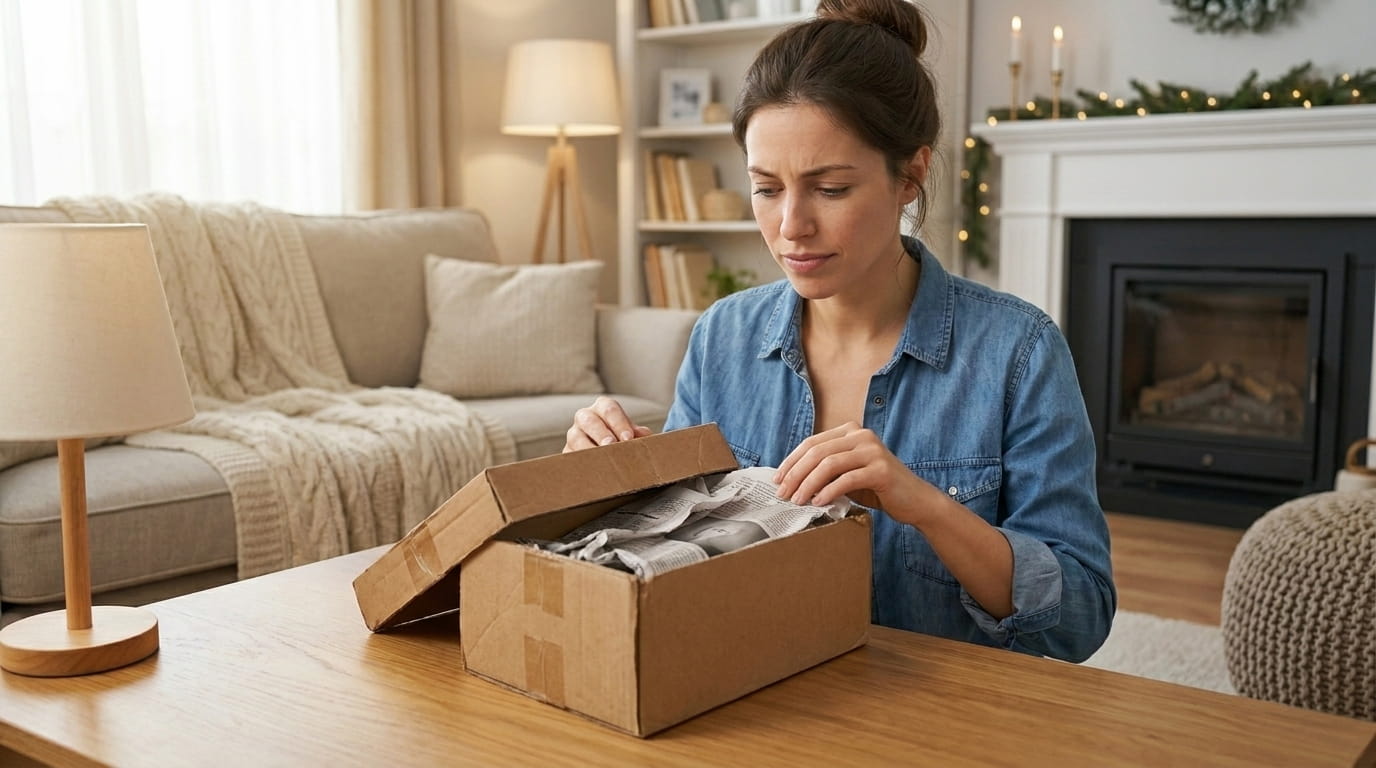
Presentation is part of the purchase. And it directly influences how the customer values what they receive:
- A visually appealing order creates anticipation.
- An organised presentation conveys more trust.
- Small finishing touches turn something simple into something memorable.
Using premium tissue paper, for example, instantly creates a more careful and elegant feel at the very first moment of opening. Details such as satin ribbons or premium labels help reinforce identity and make the order look more harmonious.
Why premium brands can charge more
There are similar products sold at completely different prices. And often the difference is not in the product itself — it's in the way it is presented to the customer.
The brain automatically associates organisation, aesthetics and attention to detail with higher quality. When an order looks well thought out, the customer trusts the brand more. And that trust directly increases the perceived value of the product.
That is exactly why the strongest brands invest so much in visual presentation. Not to overdo it — but to convey consistency.
A cleaner finish, a balanced composition and small details such as decorative filling can create a much more careful feel without big investments. The same goes for good premium wrapping paper: even before the product fully appears, there is already a sense of care and exclusivity.
In the end, the customer feels they received something of greater value — and that is what justifies higher prices.
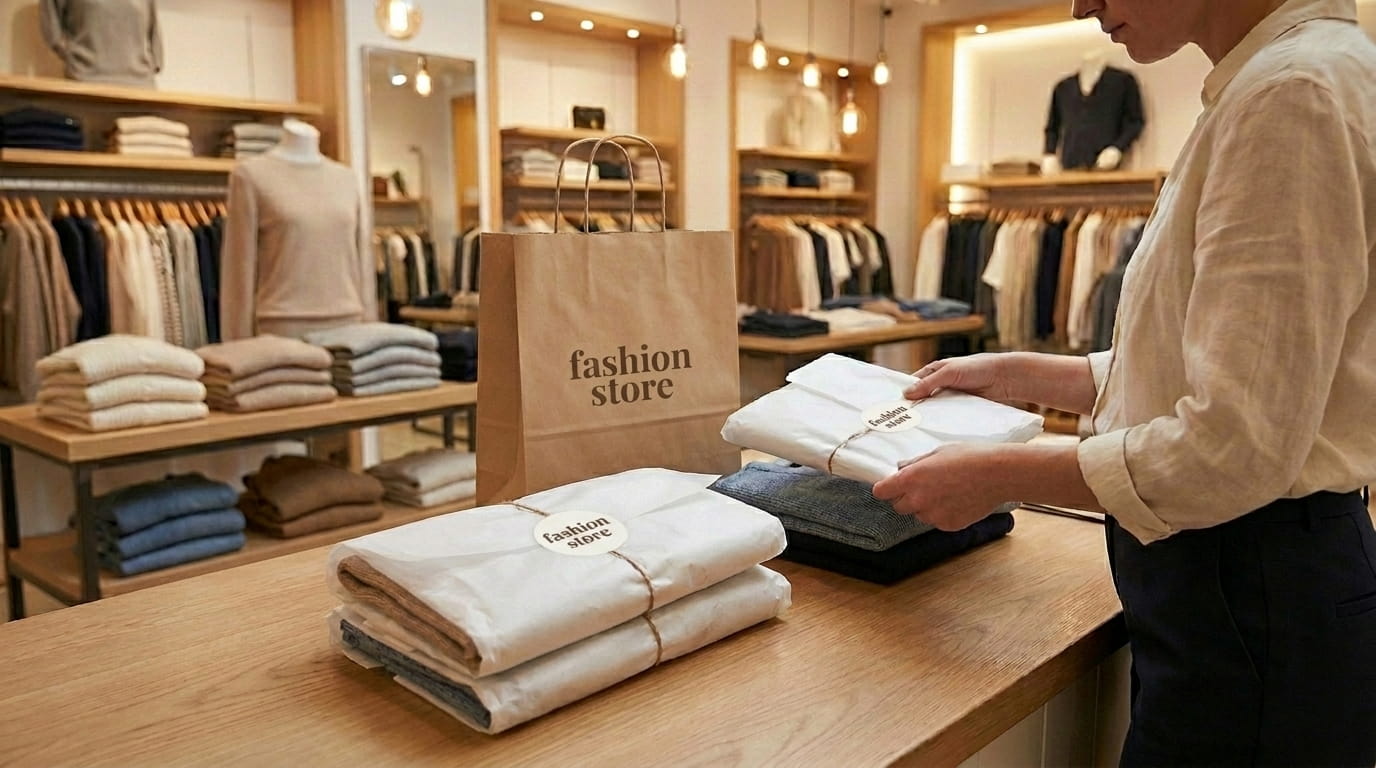
5 simple details that transform how an order looks
Creating a more elegant presentation doesn't mean making everything excessive. Most of the time, the simplest details are the ones with the greatest visual impact.
1. Create a first visual layer
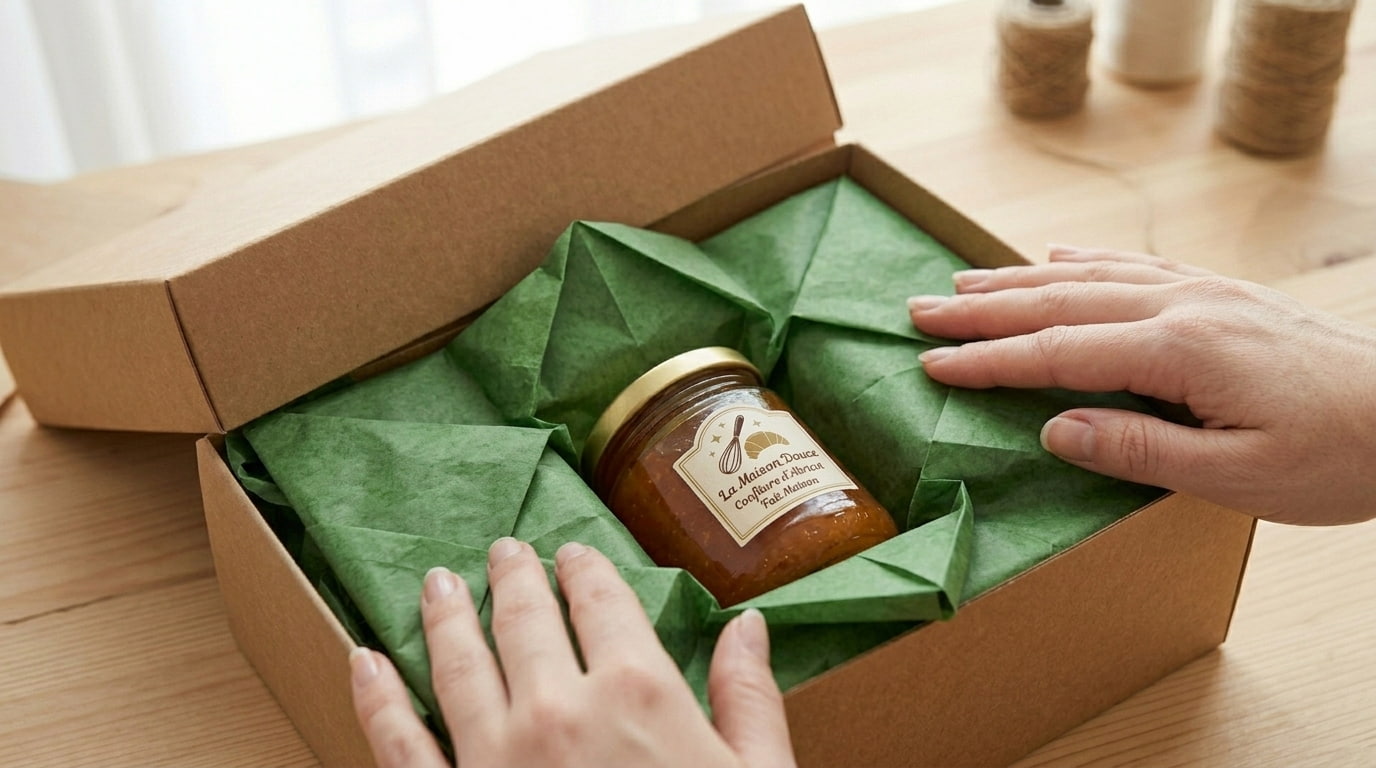
The way the customer sees the inside of the packaging immediately influences the experience. Using premium tissue paper helps create a more organised, delicate and visually appealing opening.
It is the visual equivalent of a well-folded envelope: it communicates care before any words.
2. Work with contrast and texture
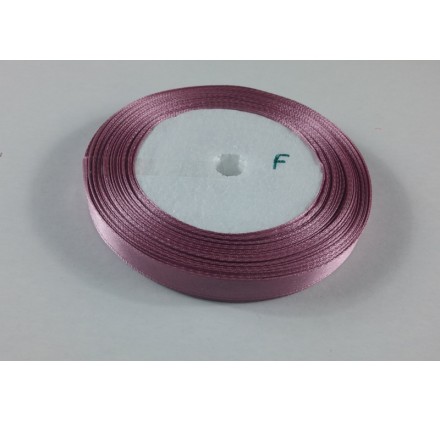
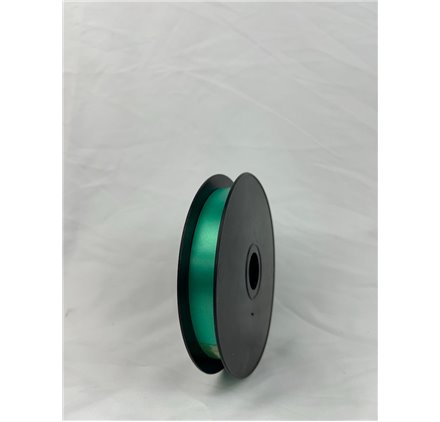
The most sophisticated brands tend to choose simple but well-combined materials. Soft details such as satin ribbons create texture, movement and a far more refined finish.
The contrast between matte kraft and the subtle shine of satin is a combination that works in almost any palette.

3. Value the internal organisation
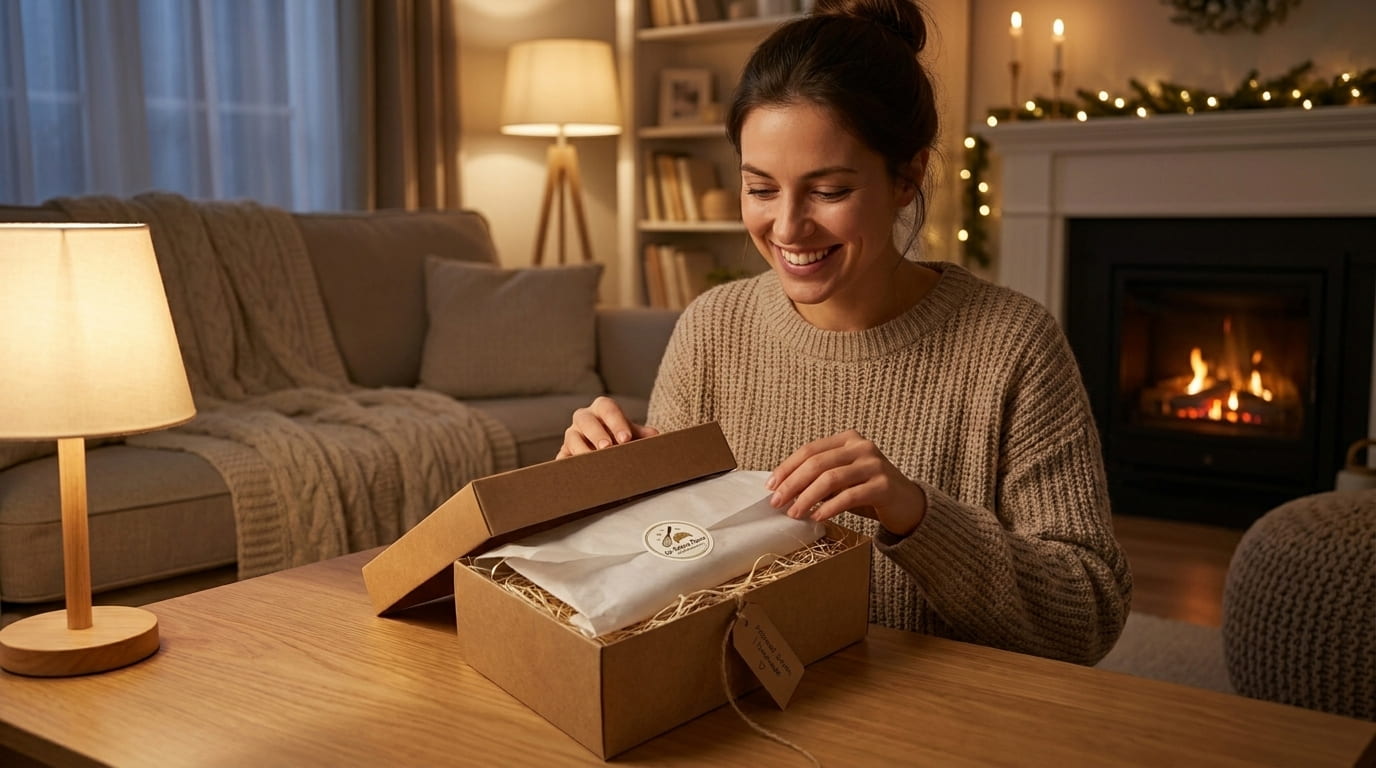
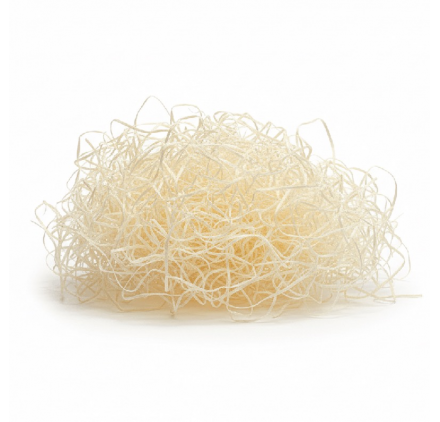
An organised order automatically conveys more professionalism. As well as protecting the product, decorative filling helps create visual balance and improves the inside presentation of the packaging.
What the customer sees the moment they open the box is just as important as the product itself.

4. Reinforce visual identity
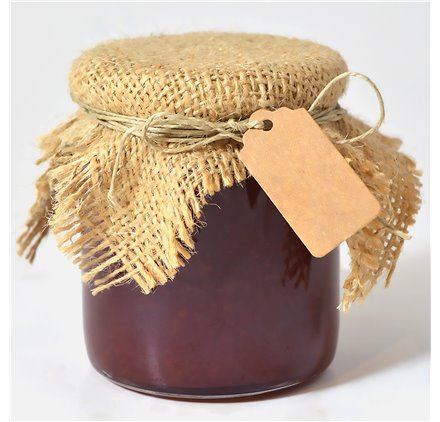
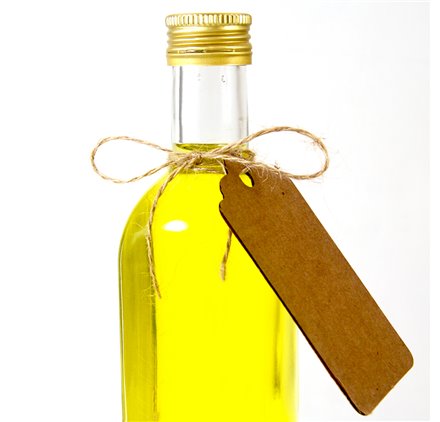
Small personalised elements make the brand look more consistent. Details such as kraft labels help convey authenticity and make the experience more memorable — especially when combined with twine, seals or short handwritten messages.
5. Avoid information overload
The most elegant presentations are usually also the simplest. Fewer visual elements, better combinations and cleaner finishes tend to convey far more value than overloaded packaging.
The professionals' rule: if you hesitate about whether a detail should be there, it probably shouldn't.
Modern luxury lies in discreet details
There is a mistaken idea that a brand needs to exaggerate to look premium. In reality, the most sophisticated brands do exactly the opposite.
They focus on:
- Balance between elements
- Materials that feel good to the touch
- Clean finishes
- Subtle details
A simple combination of premium tissue paper, minimalist finishes and good premium wrapping paper conveys far more elegance than visually overloaded presentations.
Because today, true luxury lies in the sense of care. And it is precisely those silent details that make a brand look more refined without having to say a word.
Unboxing is the new business card
What stays in the memory is rarely just the product. It's the feeling created around it:
- The anticipation of opening the packaging
- The care in the details
- The presentation
- The way everything looked thought through
These small moments make a brand look far more valuable in the customer's eyes. And they are also the moments that become organic content — shares on social media, unboxing videos, recommendations.
Because even before the purchase ends, the experience has already begun.
Featured Products

Latest Posts

Which bottle for each handmade cosmetic? Amber glass for oils and serums, jars for creams, perfume bottles and samples. A packaging guide to help you sell.

What a security seal does for your bottle and how to choose between 18 mm, 24 mm and 31.5 mm. Step-by-step sealing, mistakes to avoid and a checklist.

Easy summer recipes in glass jars and bottles: strawberry ice cream, overnight oats, cheesecake, piña colada and pink lemonade. Fresh and ready to go.

Discover how to use glass and PET test tubes for wedding favours, corporate gifts, decoration and organisation. Ideas, sizes and how to choose the right one.